
Describe an unusual meal you had.
话题卡主题
Describe an unusual meal you had.
You should say:
- When did you eat it
- Where did you eat it?
- With whom you had the meal?
- Why do you think it was unusual?
💡 您有1分钟准备时间,请说1–2分钟。
范文答案
When I was a child, I used to be a very selective eater. My mother was always worried about my health because I avoided many nutritious foods, especially milk.
When did you eat it?
I ate this unusual meal when I was around eight or nine years old. At that time, I had completely stopped drinking milk and even used to secretly throw it away when no one was watching. One day, my mother caught me doing that, and my parents were quite upset.
Where did you eat it?
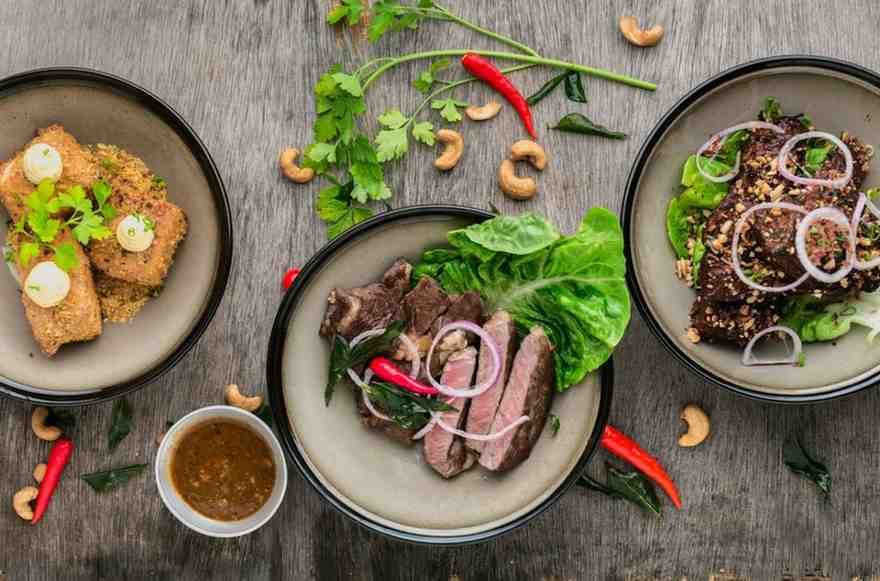
I had this meal at home, usually during breakfast. Instead of giving me a glass of milk the next morning, my mother served me some delicious-looking cutlets. I had no idea what they were made of, but they looked crispy and smelled amazing.
With whom you had the meal?
I usually had them with my family at the breakfast table. Sometimes, I even packed a few pieces in my lunchbox and shared them with my friends at school. Everyone loved them and kept asking me what they were.
Why do you think it was unusual?
It was unusual because those tasty cutlets were actually made from milk. My mother had cleverly prepared “fried milk” by mixing milk with ingredients like eggs, lemon peel, and cornstarch, shaping it into pieces, and lightly frying them. She had found a creative way to make me consume something I disliked without me realizing it. If I had known earlier that they were made from milk, I probably wouldn’t have eaten them at all.
Although frying made them slightly less healthy, my mother used very little oil. Looking back, I find it impressive how she turned something I hated into one of my favorite childhood meals.
Conclusion
Even today, I sometimes crave those fried milk cutlets, and my mother happily makes them for me. It remains one of the most unusual yet memorable meals I have ever had.
追问问题
Do you think having dinner at home is a good idea?
Yes, I strongly believe home-cooked meals are healthier and more hygienic. At home, we can control the quality of ingredients and cooking methods, which is not always possible in restaurants.
Do young people like to spend time with their families or friends?
Generally, young people prefer spending more time with friends because they share similar interests. However, strong family bonds are equally important, and many young people enjoy family time as well.
What are the benefits of having dinner together?
Having meals together strengthens family bonding. It allows family members to share their experiences and support each other. Studies have also shown that regular family meals can positively influence children’s behavior.
Do you think people are less willing to cook meals themselves these days compared to the past?
Yes, due to busy lifestyles and work commitments, many people prefer ordering food instead of cooking. Convenience often takes priority over tradition nowadays.
What are the advantages and disadvantages of eating in restaurants?
One advantage is convenience—you don’t have to cook or clean. It’s also a good way to socialize. However, restaurant food can be expensive and sometimes unhealthy due to high calories and saturated fats.
What fast foods are popular in your country?
In my country, popular fast foods include samosas, pakoras, pav bhaji, chole bhature, burgers, pizzas, and fries. International fast-food chains have also become very common.
Do people in your country value food culture?
Yes, food is a significant part of our culture. Different regions have their own traditional dishes and cooking styles. People take pride in preparing and sharing homemade meals with their families.

Ravi Patel is the founder of IELTS Rewind, an online platform dedicated to helping students prepare more effectively for the IELTS exam through practical study resources and modern learning tools. The platform was created with the idea that IELTS preparation should be clear, accessible, and focused on real exam needs rather than overwhelming learners with unnecessary complexity.