
Describe a natural place (e.g. parks, mountains, etc.)
话题卡主题
Describe a natural place (e.g. parks, mountains, etc.).
You should say:
- Where this place is
- How you knew this place
- What it is like
- And explain why you like to visit it
💡 您有1分钟准备时间,请说1–2分钟。
范文答案
I would like to talk about an incredibly beautiful natural retreat called Munnar, which is a serene hill station located in the Western Ghats of Kerala, India. It is situated at an altitude of about 1,600 meters above sea level and is renowned for its breathtaking landscapes.
Where this place is
As I mentioned, Munnar is nestled in the quiet southern state of Kerala, often referred to as 'God's Own Country'. It is situated at the confluence of three mountain streams and is surrounded by rolling hills covered with tea plantations.
How you knew this place
I first learned about this magical place during my college days when one of my close friends went there for a family vacation. He came back with photos that looked like postcards, showcasing deep green valleys shrouded in morning fog. His glowing recommendations and the stunning pictures instantly made me add Munnar to my travel bucket list.
What it is like
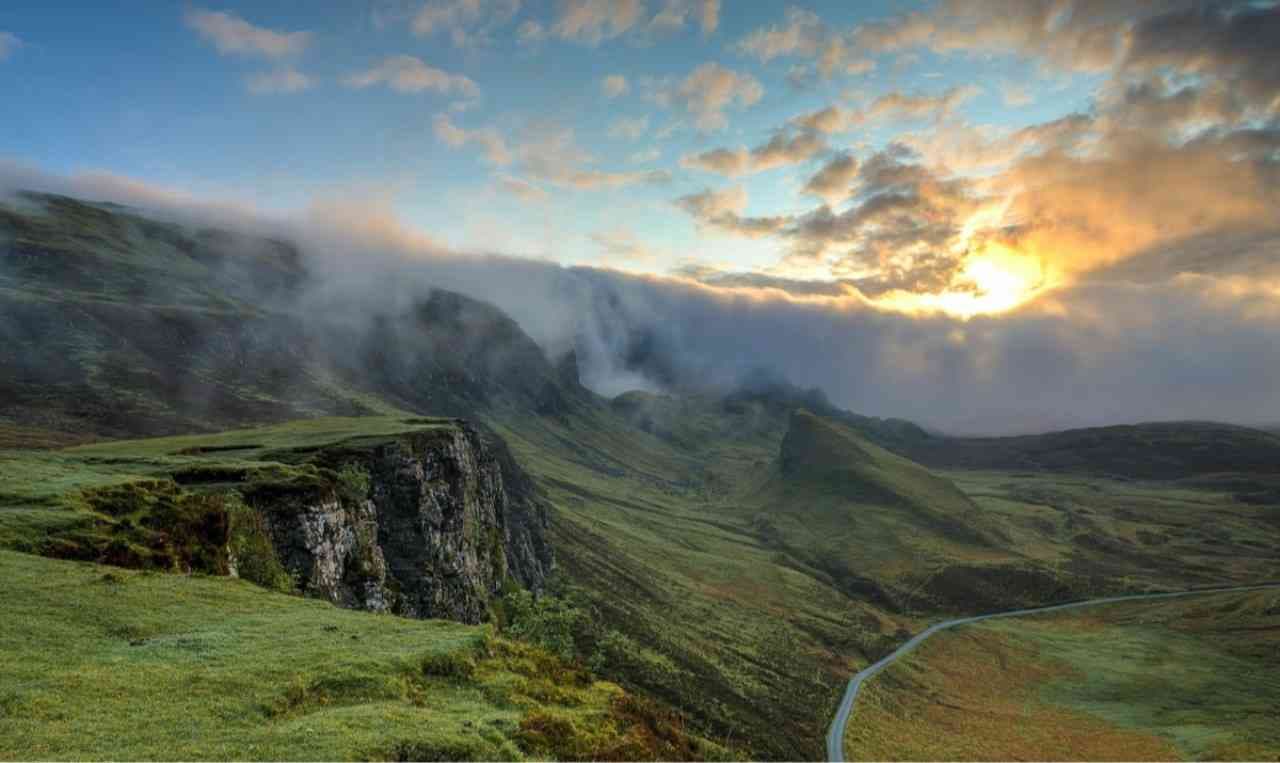
Munnar is an absolute feast for the eyes. The air there is incredibly fresh, crisp, and carries the faint aroma of fresh tea leaves and wild eucalyptus. Unlike the dusty roads of our cities, Munnar is incredibly green, with unending stretches of neatly manicured tea estates that look like a giant emerald carpet. You can hear the soothing sound of distant waterfalls and the sweet chirping of exotic birds. In the mornings, a thick blanket of mist rolls over the mountains, creating a dreamy, ethereal atmosphere.
And explain why you like to visit it
I love visiting Munnar because it offers the ultimate escapism from my hectic daily life. The sheer tranquility of the place allows me to recharge my batteries and disconnect from the hustle and bustle of urban living. Walking through the misty tea gardens acts as a therapy for my mind, helping me find mental clarity. It is a place where time seems to slow down, making me feel deeply connected to Mother Nature.
追问问题
What kind of people like to visit natural places?
Generally speaking, nature enthusiasts, adventure seekers, and people looking to escape the relentless pressure of modern life love to visit natural places. Additionally, urban dwellers who face high levels of stress often seek these retreats as a stress buster and a way to undergo a digital detox. For artists and photographers, such locations provide immense inspiration, while health-conscious individuals find them perfect for enjoying clean air and physical activities like trekking.
What are the differences between a natural place and a city?
There is a stark contrast between a natural place and a city environment. A city is essentially a concrete jungle characterized by high-rise buildings, heavy traffic, noise pollution, and a chaotic, fast-paced lifestyle. In contrast, a natural place offers untouched landscapes, clean air, rich biodiversity, and profound tranquility. While cities focus on industrial and technological convenience, natural places focus on ecological balance and sensory peace.
Do you think that going to the park is the only way to get close to nature?
No, I do not think going to a public park is the sole avenue to connect with the environment. While parks are convenient urban green spaces, individuals can cultivate a relationship with nature in various other ways. For instance, practicing urban gardening on balconies, taking weekend trips to forest reserves, or hiking in nearby hills offers a much deeper connection. Even simply keeping indoor plants or stargazing from a rooftop can foster a sense of closeness to the natural world.
What can people gain from going to natural places?
Visiting natural settings offers immense benefits for both physical and mental well-being. Physically, inhaling unpolluted oxygen boosts respiratory health, and traversing natural terrains helps people break away from a sedentary lifestyle. Mentally, nature has a therapeutic effect that significantly reduces anxiety, restores mental clarity, and leaves visitors feeling completely rejuvenated. Furthermore, it instills a sense of humility and enhances one's ecological awareness.
Are there any wild animals in the city?
Yes, cities do host some wildlife, although the diversity is vastly reduced compared to wild forests. In most Indian cities, one can easily spot adapted animals like stray dogs and cows, alongside squirrels, monkeys, and a variety of urban birds like pigeons and crows. However, in cities bordering national parks, such as Mumbai, there are rare instances where larger predators like leopards venture into residential areas due to ecological encroachment, leading to human-wildlife conflicts.
Do you think it is a good idea to let animals stay in local parks for people to see?
I believe this is a double-edged sword. On one hand, having small animal exhibits or aviaries in local parks offers great educational value, especially for children who might otherwise never see these creatures up close. On the other hand, keeping wild animals in restricted city parks raises significant ethical concerns. If animals are kept in poor conditions or tiny enclosures, it is highly detrimental to their physical and psychological well-being. Therefore, wild species should remain in their natural habitats rather than city parks.

Ravi Patel is the founder of IELTS Rewind, an online platform dedicated to helping students prepare more effectively for the IELTS exam through practical study resources and modern learning tools. The platform was created with the idea that IELTS preparation should be clear, accessible, and focused on real exam needs rather than overwhelming learners with unnecessary complexity.