
Your friend is thinking about buying a bicycle for commuting
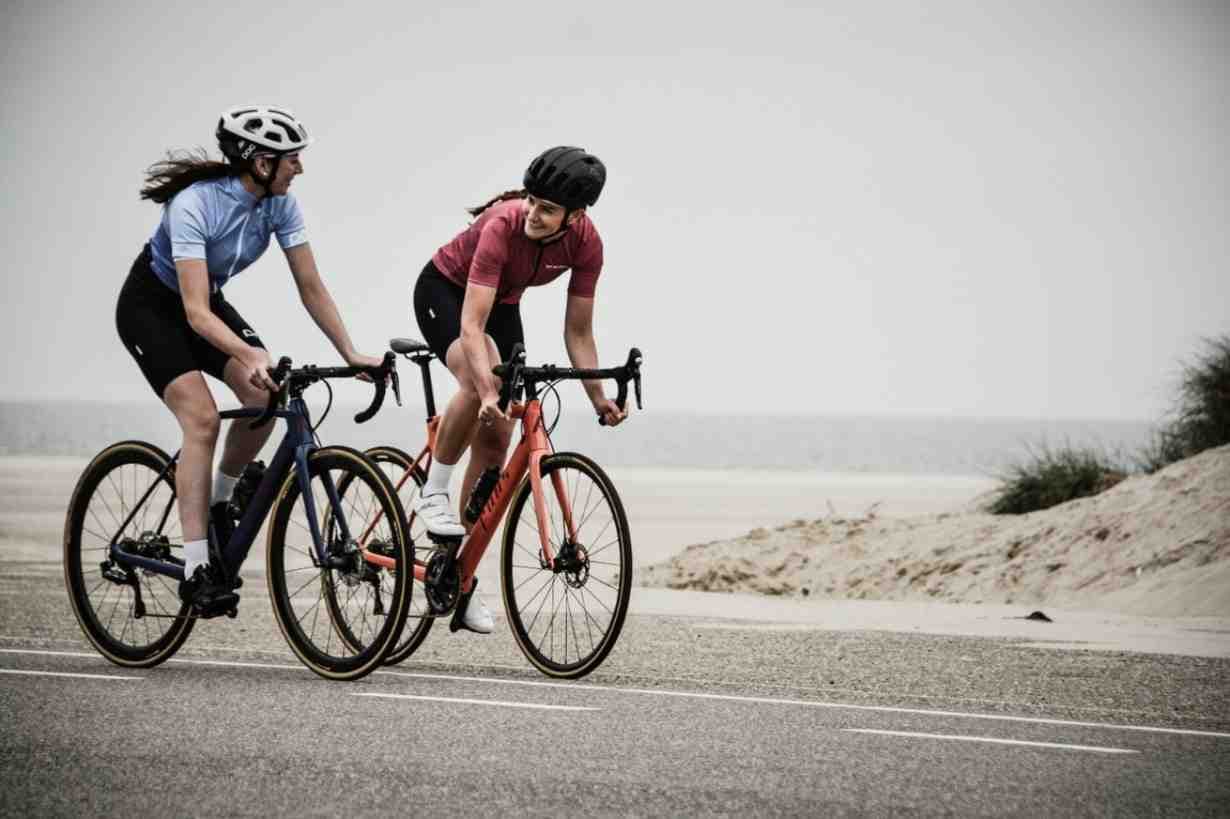
The Question
Your friend is thinking about buying a bicycle for commuting. Provide advice on how to choose the right bike and stay safe on the road.
Sample Answer
Hey there! Oh my goodness, that's absolutely fantastic news that you're thinking about getting a bicycle for commuting! Honestly, it's one of the best decisions you could make for your health, the environment, and even your wallet. I'm so excited for you!
So, you're asking about choosing the right bike and staying safe, which are both super important. Let's break it down. First off, for choosing the bike, I'd really recommend looking into a 'hybrid' or 'commuter' style bike. These are designed for comfort and practicality, often having a more upright riding position than a road bike, which is great for seeing traffic around you. They also usually come with, or have mounts for, essential accessories like fenders – which you'll definitely appreciate on rainy days – and a rear rack for carrying your bag or groceries. Definitely go to a local bike shop and test ride a few different models. The 'fit' is everything; you want to feel comfortable and in control. Don't just pick one based on looks or price alone. A good shop will help you find the right frame size and adjust the seat and handlebars properly. It's a game-changer for long-term comfort.
Now, for staying safe on the road, this is crucial. My biggest piece of advice is to prioritize visibility and awareness. Always, and I mean always, wear a helmet – it's non-negotiable. For visibility, invest in good quality front and rear lights, even if you're not planning to ride at night. They make a huge difference in cloudy weather or shaded areas during the day. Consider wearing bright clothing, perhaps with some reflective elements, so you stand out to drivers. Also, assume drivers might not see you, and always try to make eye contact with them, especially at intersections. Ride predictably and follow traffic laws, just like a car would. Signalling your turns clearly is really important too.
Another safety tip is to plan your route. Try to find routes with dedicated bike lanes or quieter streets, even if it adds a few extra minutes to your commute. Google Maps often has a cycling layer that can help with this. Maybe even do a 'test ride' of your commute on a weekend when there's less traffic to get a feel for it. And finally, always stay alert – avoid distractions like headphones that block out ambient sound. Your ears are another safety tool.
I know it might sound like a lot, but once you get into the swing of it, it becomes second nature. It's such a rewarding way to travel. I'm here if you want to chat more or even go bike shopping together. I'm sure you'll love it!
Expert Tips & Coaching
Understanding This Task
CELPIP Speaking Task 1 asks you to give advice to a friend. For this specific question, you need to offer practical suggestions on two main topics: how to choose the right bicycle for commuting and how to ensure safety while riding on the road. The key is to sound natural, helpful, and supportive, just as you would when talking to a real friend.
Examiners are looking for your ability to:
- Communicate clearly and effectively: Can you explain your ideas in an easy-to-understand manner?
- Develop your ideas: Do you just list advice, or do you explain why your advice is important and how to implement it?
- Use appropriate vocabulary and grammar: Do you have a good range of words related to the topic, and do you use correct sentence structures?
- Maintain fluency and coherence: Does your response flow smoothly without long pauses or repetition? Do your ideas connect logically?
- Adopt a natural, conversational tone: Do you sound like you're genuinely talking to a friend, rather than reciting a script?
Aim to provide detailed and well-explained advice, covering both aspects of the question thoroughly.
Use a Warm and Natural Tone
Your tone is critical for Task 1. Imagine you're actually having a friendly chat with someone you care about. This means:
- Be encouraging: Start and end with positive comments. Your friend is excited, so match that enthusiasm!
- Use contractions: 'I'm,' 'you're,' 'it's' sound much more natural than 'I am,' 'you are,' 'it is.'
- Employ conversational fillers/transitions: Phrases like 'Honestly,' 'You know,' 'Well, I think,' 'So, another thing is...' make your speech sound spontaneous and less rehearsed.
- Show empathy: Acknowledge that starting something new can be a bit daunting or exciting. For example, 'I know it might seem like a lot at first...' or 'That's such a great idea!'
Weak Tone Example: 'You must select a suitable bicycle. Subsequently, prioritize safety.' (Sounds robotic and formal).
Improved Tone Example: 'Hey there! Oh my goodness, that's absolutely fantastic news! I'm so excited for you, and I've got some tips that might really help!' (Warm, personal, enthusiastic).
How to Start Your Response
A strong, conversational opening immediately sets a positive tone. Don't just jump straight into giving advice.
- Greet your friend: 'Hey [Friend's Name, or just 'Hey there']!'
- React positively: Express excitement or support for their idea. 'That's a fantastic idea!' or 'I'm so glad you're considering that!'
- Acknowledge the situation: Briefly mention their plan. 'Buying a bike for commuting, that's awesome!'
Weak Opening: 'Here is my advice regarding your bicycle purchase.' (Too formal, doesn't sound like a friend).
Improved Opening: 'Hey! Wow, that's fantastic that you're thinking about cycling to work! It's such a brilliant idea, and I'm happy to share some thoughts on choosing a bike and staying safe.' (Friendly, enthusiastic, and sets the stage for advice).
Organize Your Ideas Clearly
Even in a conversational response, structure is important for coherence. A good plan will help you cover all aspects of the question without rambling.
- Warm Opening: Greet, react, express support.
- Transition to Advice: 'Let's talk about choosing the bike first...' or 'So, when it comes to the bike itself...'
- Advice Idea 1 (Bike Choice): Discuss bike types, fit, features.
- Transition to Second Topic: 'Moving on to safety, which is equally important...' or 'Now, about staying safe on the road...'
- Advice Idea 2 (Safety Tips): Cover visibility, awareness, route planning.
- Encouraging Conclusion: Offer further help, express confidence.
Using transition words and phrases between your main points ('First off,' 'Another important thing,' 'Besides that,' 'Most importantly,' 'And finally') helps your response flow naturally and smoothly. It shows the examiner you can connect your ideas logically.
Detailed Idea Development: Choosing the Right Bike
When giving advice, don't just state it; explain it. For bike choice, think about practicality for commuting.
Bike Type
-
Weak: 'Get a commuter bike.'
-
Better: 'For commuting, I'd really recommend looking into a 'hybrid' or 'commuter' style bike. These are usually built for comfort and durability, which is super important for daily use. Plus, they often have a more upright riding position, giving you better visibility in traffic, and they come with, or have mounts for, practical accessories like fenders to keep you dry and a rack for your bag.'
Explanation: This expands on 'why' a commuter bike is suitable (comfort, durability, visibility, accessories) and introduces related vocabulary like 'hybrid,' 'upright riding position,' 'fenders,' and 'rack.'
Bike Fit
-
Weak: 'Make sure the bike fits you.'
-
Better: 'Another crucial thing is the 'fit.' Honestly, a well-fitting bike makes all the difference for comfort and preventing injuries. Definitely go to a local bike shop and test ride a few different models. A good shop will help you find the right frame size and adjust the seat and handlebars properly. It's a game-changer for long-term comfort and control.'
Explanation: Explains why fit is crucial (comfort, injury prevention), how to ensure it (test ride, professional fitting), and uses an idiom ('game-changer').
Budget and Features
-
Weak: 'Don't spend too much.'
-
Better: 'While it's tempting to go for the cheapest option, try to balance your budget with quality. You don't need the most expensive bike, but investing in decent components will make your rides smoother and the bike more reliable in the long run. Think about features like good brakes and sturdy tires that can handle different road conditions.'
Explanation: Offers nuanced advice on balancing cost and quality, highlighting specific components like 'brakes' and 'sturdy tires' relevant to commuting.
Detailed Idea Development: Staying Safe on the Road
Safety is paramount when cycling. Provide actionable and specific tips.
Visibility
-
Weak: 'Use lights and wear bright clothes.'
-
Better: 'My biggest piece of advice is to prioritize visibility. Always, and I mean always, wear a helmet – it's non-negotiable. For visibility, invest in good quality front and rear lights. Even if you're not planning to ride at night, they make a huge difference in cloudy weather or shaded areas during the day. Also, consider wearing bright clothing, perhaps with some reflective elements, so you really stand out to drivers.'
Explanation: Emphasizes the importance of a helmet ('non-negotiable'), explains when to use lights (daytime too), and suggests what kind of clothing (bright, reflective).
Awareness and Defensive Riding
-
Weak: 'Be careful.'
-
Better: 'Another key thing is to ride defensively and stay super aware of your surroundings. Always assume drivers might not see you, and try to make eye contact with them, especially at intersections or when they're making turns. Anticipate potential hazards, like opening car doors or pedestrians stepping out. Riding predictably and following traffic laws, just like a car would, also makes you safer.'
Explanation: Breaks down 'being careful' into concrete actions: 'assume drivers might not see you,' 'make eye contact,' 'anticipate hazards,' 'ride predictably,' 'follow traffic laws.'
Route Planning
-
Weak: 'Find a good route.'
-
Better: 'It's also a great idea to plan your route carefully. Try to find routes with dedicated bike lanes or quieter side streets, even if it adds a few extra minutes to your commute. Google Maps often has a cycling layer that can help you discover these safer paths. Maybe even do a 'test ride' of your commute on a weekend when there's less traffic to get a feel for the road conditions and any tricky spots.'
Explanation: Provides specific tools ('Google Maps cycling layer') and strategies ('quieter streets,' 'test ride on a weekend') for route planning.
Vocabulary for 'Bicycle Commuting'
Using a varied and accurate vocabulary shows your linguistic range. Here are some terms and phrases relevant to this topic:
Bike Parts & Types:
- Commuter bike / Hybrid bike: Designed for city riding, comfort, and practicality.
- Road bike: Lighter, faster, typically for sport.
- Mountain bike: Designed for off-road trails.
- Frame: The main structure of the bike.
- Gears / Drivetrain: Helps you change speed and tackle hills.
- Tires: Important for grip and puncture resistance.
- Saddle / Seat: Where you sit.
- Handlebars: For steering and control.
- Brakes: Essential for stopping safely.
- Fenders: Mudguards that protect you from splashes.
- Rear rack: For carrying bags or groceries.
Safety & Equipment:
- Helmet: Crucial head protection.
- Front light / Rear light: For visibility.
- Reflective clothing / Reflective elements: To be seen in low light.
- Hi-vis (high visibility) vest: Bright clothing that stands out.
- Signalling: Hand signals for turns.
- Traffic laws / Road rules: Rules for all road users.
- Bike lane: Dedicated part of the road for cyclists.
Commuting & General Phrases:
- Commute / Commuting: Traveling to and from work/school.
- Pedestrian: Person walking.
- Motorist / Driver: Person driving a car.
- Defensive riding: Anticipating hazards and protecting yourself.
- Stay alert / Be aware: Pay attention to surroundings.
- Game-changer: Something that significantly changes a situation.
- Non-negotiable: Something that cannot be debated or changed (like helmet use).
- Pros and cons: Advantages and disadvantages.
- Peace of mind: A state of tranquility and freedom from worry.
- Second nature: Something done automatically without thinking.
Example of use: 'Investing in good quality fenders and a rear rack makes a commuter bike a real game-changer for daily trips, offering peace of mind on rainy days.'
Fluency and Coherence Strategies
Fluency isn't just about speaking fast; it's about speaking smoothly, naturally, and understandably.
- Pacing: Speak at a comfortable, natural pace. Avoid rushing, which can lead to mispronunciations or unclear speech. A moderate pace allows you to articulate words clearly and gives you a moment to think ahead.
- Pausing: Use natural pauses, just like in everyday conversation. Pause after main clauses, before introducing a new idea, or to emphasize a point. This makes your speech sound thoughtful and easier to follow.
- Intonation and Stress: Vary your pitch and volume to highlight important words and convey emotion. For example, when saying 'Always, and I mean always, wear a helmet,' stress the word 'always' to show its importance.
- Extending Answers Naturally: Don't stop at a single sentence. Ask yourself 'why' and 'how' for each piece of advice you give. This encourages natural elaboration.
- Avoid Memorized Speech: While preparing is good, try not to sound like you're reciting a script. Use those conversational fillers and spontaneous phrases to make your speech sound genuine and unrehearsed.
- Connect Ideas with Transitions: As mentioned, transition words and phrases are your best friends for coherence. They act as signposts for the listener, guiding them through your advice.
Common Mistakes to Avoid
Being aware of these pitfalls can help you achieve a high-scoring CELPIP response.
1. Giving Generic or Short Advice
- Problem: Not explaining the 'why' or 'how' behind your advice.
- Weak Example: 'Buy a helmet. Get lights. Be careful.'
- Improved Example: 'Always, and I mean always, wear a helmet; it's absolutely crucial for protecting your head in case of an accident. And for lights, invest in good front and rear ones, because they make you much more visible to drivers, especially in low light or bad weather.'
- Why it's better: It explains the reason for the advice and how it helps, adding detail and demonstrating better vocabulary.
2. Sounding Overly Formal or Academic
- Problem: Using language that's too stiff or formal for a conversation with a friend.
- Weak Example: 'It is imperative that one procures a suitable two-wheeled conveyance for metropolitan traversal.'
- Improved Example: 'You know, for getting around the city, I'd definitely suggest a hybrid bike. They're super practical and comfortable for daily trips.'
- Why it's better: It uses natural, everyday language and contractions, fitting the 'friend' context.
3. Lack of Enthusiasm or Personal Tone
- Problem: Sounding flat, disinterested, or like you're reading from a list.
- Weak Example: 'A bicycle is a good option. Here is how to choose one.'
- Improved Example: 'Hey! That's a fantastic idea! I'm genuinely so excited for you – riding a bike for commuting is brilliant. I've got some tips I think you'll find really helpful!'
- Why it's better: It conveys warmth, enthusiasm, and a genuine connection, making the conversation engaging.
4. Poor Organization or Lack of Transitions
- Problem: Ideas jump around without clear connections, making the response hard to follow.
- Weak Example: 'Get a hybrid. Wear a helmet. Buy good lights. Make sure it fits. Plan your route.'
- Improved Example: 'First off, for choosing the bike, a hybrid is often your best bet... Now, moving onto safety, which is equally important, always wear a helmet, and besides that, invest in really good lights.'
- Why it's better: Uses clear transition phrases ('First off,' 'Now, moving onto,' 'besides that') to logically link different pieces of advice and topics.
5. Not Addressing Both Parts of the Question Fully
- Problem: Focusing heavily on one aspect (e.g., bike choice) and neglecting the other (e.g., safety), or vice versa.
- Weak Example: Only talking about which bike to buy, and barely mentioning safety.
- Improved Example: Dedicating roughly equal time and detail to both choosing the bike and staying safe, as demonstrated in the sample answer and the 'Detailed Idea Development' sections above.
- Why it's better: You must address all parts of the prompt to show you fully understood the task and can respond comprehensively.
Ready to Practice This Topic?
Use our AI-powered tool to record your answer and get instant CLB-scored feedback.
Practice with AI