
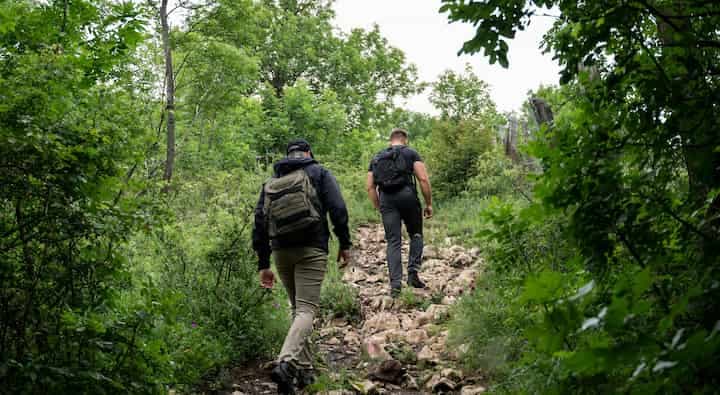
Your friend is planning a hiking trip
Câu Hỏi
Your friend is planning a hiking trip. Give advice on how to prepare for the trip and what essentials to bring.
Bài Mẫu
Hey there! Wow, a hiking trip sounds absolutely fantastic! I'm so excited for you. It's such an incredible way to connect with nature and get some exercise. Since I've done quite a bit of hiking myself, I'd love to share some tips that I've found super helpful to make sure you have an amazing and safe experience.
First off, preparation is key, both physically and mentally. If you haven't been very active lately, I'd really recommend starting with some shorter walks or jogs a few weeks before your trip. This helps build up your stamina and gets your body used to the movement, which will prevent you from getting too sore on the actual hike. Also, try wearing your hiking boots around the house or on short walks beforehand. Breaking them in properly is so important; the last thing you want are blisters ruining your adventure! Trust me, I've learned that the hard way.
Another crucial aspect is planning your route and checking the weather. Even if it looks sunny when you start, mountain weather can change in a snap. Always check the forecast for the specific area you'll be hiking in, not just the nearest town. This will help you decide what layers to bring. Speaking of layers, dressing in multiple thin layers is much better than one thick jacket. That way, you can easily add or remove clothing as the temperature or your activity level changes. For example, a moisture-wicking base layer, a fleece mid-layer, and a waterproof outer shell are usually a great combination.
Now, for the essentials you absolutely must bring. High on the list is plenty of water – more than you think you'll need, especially on a longer trail or a hot day. Dehydration can be a real risk. Also, pack some energy-rich snacks like trail mix, granola bars, or fruit to keep your energy up. Don't forget a basic first-aid kit; things like bandaids, antiseptic wipes, and pain relievers are a must for minor scrapes or headaches. A fully charged phone for emergencies, a map (and know how to use it!), and a compass are also non-negotiables, even if you're using a GPS app. Batteries can die!
Finally, make sure someone knows your itinerary – where you're going, your estimated return time, and who to contact if you don't check in. It's a simple safety measure that gives you and your loved ones peace of mind. Oh, and don't forget a small trash bag to pack out everything you pack in; leave no trace! I'm honestly so excited for you, I know you're going to have an incredible time. Let me know if you want to chat more about it!
Mẹo & Hướng Dẫn Chuyên Gia
Hiểu về Nhiệm vụ này
Nhiệm vụ nói CELPIP Task 1 yêu cầu bạn đưa ra lời khuyên, đề xuất hoặc khuyến nghị cho một người bạn, thành viên gia đình hoặc đồng nghiệp. Điều quan trọng ở đây là phải nói một cách tự nhiên, hữu ích và đồng cảm, giống như bạn đang trò chuyện trong đời thực. Giám khảo không chỉ tìm kiếm ngữ pháp và từ vựng chính xác; họ muốn thấy khả năng giao tiếp tự phát và chân thành của bạn. Đối với câu hỏi cụ thể về chuyến đi bộ đường dài này, bạn cần đưa ra các mẹo chuẩn bị thực tế và gợi ý những vật dụng cần thiết. Hãy nghĩ mình như một người bạn hữu ích đang chia sẻ kinh nghiệm quý báu.
Mục tiêu là cung cấp một phản hồi chi tiết, mạch lạc và trôi chảy. Bạn đang hướng tới một phản hồi đạt cấp độ CELPIP Level 9+, có nghĩa là thể hiện sự lưu loát mạnh mẽ ở cấp độ CLB 9, cách diễn đạt rõ ràng và khả năng mở rộng ý tưởng hiệu quả. Giọng điệu của bạn nên ấm áp và hỗ trợ, không trang trọng hay hàn lâm.
Sử dụng Giọng điệu Ấm áp và Tự nhiên
Giọng điệu của bạn rất quan trọng đối với Task 1. Vì bạn đang nói chuyện với một người bạn, bạn cần phải thân thiện, khuyến khích và dễ gần. Tránh nói một cách robot hoặc quá nghiêm túc. Hãy tưởng tượng bạn đang thực sự nói chuyện với bạn mình qua điện thoại hoặc trực tiếp. Điều này có nghĩa là kết hợp các yếu tố của cuộc trò chuyện tự nhiên:
- Sự nhiệt tình: Thể hiện sự hào hứng với chuyến đi của họ. Các cụm từ như 'Wow, nghe thật tuyệt vời!' hoặc 'Mình rất hào hứng cho cậu!' có thể tạo ra một giọng điệu tích cực.
- Sự đồng cảm: Thừa nhận bất kỳ khó khăn tiềm ẩn nào, chẳng hạn như cảm thấy lo lắng hoặc mệt mỏi. 'Mình biết lúc đầu có thể hơi đáng sợ...' hoặc 'Hoàn toàn bình thường nếu cảm thấy hơi đau nhức...' thể hiện sự thấu hiểu.
- Kinh nghiệm cá nhân: Chia sẻ ngắn gọn kinh nghiệm của chính bạn có thể làm cho lời khuyên của bạn dễ liên hệ và chân thực hơn. 'Mình đã học được điều này một cách khó khăn' hoặc 'Từ những chuyến đi bộ của riêng mình...' thêm một chút cá nhân.
- Ngôn ngữ hỗ trợ: Sử dụng các cụm từ xây dựng sự tự tin. 'Mình chắc chắn cậu sẽ làm rất tốt!' hoặc 'Cậu sẽ có một khoảng thời gian tuyệt vời!' là những ví dụ xuất sắc.
Ví dụ về giọng điệu yếu: 'Bạn cần chuẩn bị thể chất và mang theo những vật dụng này.' (Nghe như một mệnh lệnh, không phải lời khuyên.)
Ví dụ về giọng điệu được cải thiện: 'Này! Tuyệt vời quá, một chuyến đi bộ đường dài nghe thật tuyệt vời! Mình có một vài mẹo đã thực sự giúp mình, mình rất muốn chia sẻ chúng để đảm bảo cậu có một khoảng thời gian tuyệt vời.' (Thân thiện, nhiệt tình, hỗ trợ.)
Cách Bắt đầu Phản hồi của Bạn
Một phần mở đầu mạnh mẽ sẽ tạo tiền đề cho một phản hồi đạt điểm cao. Tránh đi thẳng vào lời khuyên. Thay vào đó, hãy bắt đầu bằng một lời chào trò chuyện tự nhiên và một phản ứng tích cực đối với kế hoạch của bạn mình.
Các chiến lược mở đầu tự nhiên:
- Chào hỏi + Phản ứng tích cực: Bắt đầu bằng 'Này [tên bạn, hoặc chỉ 'Này!']' theo sau là một bình luận nhiệt tình về chuyến đi của họ. Điều này ngay lập tức thiết lập một giọng điệu thân thiện.
- Ví dụ: 'Này! Một chuyến đi bộ đường dài ư? Nghe thật tuyệt vời, mình rất hào hứng cho cậu!'
- Thể hiện sự nhiệt tình và đề nghị giúp đỡ: Cho thấy bạn vui mừng cho họ và sẵn lòng hỗ trợ.
- Ví dụ: 'Wow, đó là một tin tuyệt vời! Mình cũng đã đi bộ đường dài một vài lần rồi, nên mình rất muốn chia sẻ một vài điều mình đã học được.'
Ví dụ về mở đầu yếu:
'Bạn nên chuẩn bị cho chuyến đi bộ đường dài bằng cách tập thể dục.' (Đột ngột, thiếu sự ấm áp trong giao tiếp.)
Ví dụ về mở đầu được cải thiện:
'Ôi trời ơi, một chuyến đi bộ đường dài ư? Nghe thật không thể tin được! Mình thực sự rất vui mừng cho cậu. Đó là một trải nghiệm tuyệt vời. Vì mình đã đi một vài lần rồi, nên mình đã học được một số mẹo hữu ích, và mình rất vui được chia sẻ những gì đã thực sự giúp mình có một khoảng thời gian tuyệt vời và an toàn.' (Ngay lập tức ấm áp, tích cực và tự nhiên đề nghị giúp đỡ.)
Tổ chức Ý tưởng của Bạn một cách Rõ ràng
Sự rõ ràng và mạch lạc là điều cần thiết để có một phản hồi đạt cấp độ CLB 9 mạnh mẽ. Cấu trúc lời khuyên của bạn một cách hợp lý, sử dụng các từ chuyển tiếp rõ ràng để hướng người nghe theo các điểm của bạn. Một cấu trúc tốt có thể là:
- Mở đầu: Chào bạn bè, bày tỏ sự nhiệt tình.
- Chuẩn bị (Thể chất/Tinh thần): Thảo luận những việc cần làm trước chuyến đi.
- Lên kế hoạch Lộ trình/Thời tiết: Nhấn mạnh việc kiểm tra điều kiện và lập kế hoạch.
- Vật dụng cần thiết (Phần 1): Tập trung vào việc hydrat hóa, thức ăn, vật dụng an toàn.
- Vật dụng cần thiết (Phần 2): Mặc nhiều lớp, sơ cứu, định vị.
- An toàn/Không để lại dấu vết: Những mẹo cuối cùng quan trọng.
- Kết luận khuyến khích: Nhắc lại sự hỗ trợ và hào hứng.
Sử dụng các cụm từ chuyển tiếp để liên kết các ý tưởng của bạn một cách mượt mà:
- 'Trước hết...' / 'Đầu tiên...' / 'Để bắt đầu...' (cho điểm ban đầu của bạn)
- 'Một khía cạnh quan trọng khác là...' / 'Bên cạnh đó...' / 'Trên hết...' (cho các điểm bổ sung)
- 'Bây giờ, khi nói đến việc mang gì...' / 'Đối với những thứ cần thiết...' (để chuyển chủ đề)
- 'Quan trọng nhất...' / 'Cuối cùng...' / 'Để tóm tắt lại...' (để nhấn mạnh hoặc kết luận)
Phát triển Ý tưởng Chi tiết
Đây là nơi bạn phân biệt một phản hồi đạt điểm cao với một phản hồi trung bình. Đừng chỉ liệt kê lời khuyên; hãy giải thích tại sao mỗi lời khuyên lại quan trọng, lợi ích là gì và cung cấp một ví dụ ngắn gọn hoặc kịch bản nhỏ. Hướng tới sự sâu sắc và chi tiết.
Ví dụ 1: Chuẩn bị Thể chất
- Lời khuyên yếu: 'Bạn nên tập thể dục trước.'
- Lời khuyên tốt hơn: 'Mình thực sự khuyên cậu nên bắt đầu với một vài buổi đi bộ hoặc chạy bộ ngắn hơn vài tuần trước chuyến đi. Điều này giúp xây dựng sức bền của cậu và giúp cơ thể quen với vận động, điều này sẽ ngăn cậu bị đau nhức quá nhiều trong chuyến đi bộ thực tế. Ví dụ, nếu cậu nhảy thẳng vào một chuyến đi bộ dài mà không chuẩn bị, cậu có thể thấy mình kiệt sức và không thể tận hưởng khung cảnh.'
- Điểm huấn luyện: Lưu ý cách 'lời khuyên tốt hơn' giải thích lý do (xây dựng sức bền, ngăn ngừa đau nhức) và đưa ra hậu quả nếu không tuân theo (kiệt sức, không thể tận hưởng). Điều này cho thấy sự suy nghĩ sâu sắc hơn và khả năng sử dụng tiếng Anh.
Ví dụ 2: Mang gì (Nước)
- Lời khuyên yếu: 'Mang nước.'
- Lời khuyên tốt hơn: 'Quan trọng hàng đầu là mang nhiều nước – thành thật mà nói, nhiều hơn cậu nghĩ là cần, đặc biệt trên một con đường dài hơn hoặc một ngày nắng nóng. Mất nước có thể là một rủi ro thực sự, và cậu không muốn bị mắc kẹt mà không có đủ nước uống, điều này có thể ảnh hưởng nghiêm trọng đến năng lượng và thậm chí cả sự an toàn của cậu. Hãy tưởng tượng đang leo dốc đến nửa đường mà nhận ra bình nước đã cạn; đó là một tình huống khó khăn.'
- Điểm huấn luyện: Điều này mở rộng lý do cần nhiều nước (nguy cơ mất nước), giải thích tác động (năng lượng, an toàn), và cung cấp một kịch bản sống động để minh họa điểm đó.
Ví dụ 3: Mặc nhiều lớp quần áo
- Lời khuyên yếu: 'Mặc nhiều lớp.'
- Lời khuyên tốt hơn: 'Nói về việc mặc nhiều lớp, mặc nhiều lớp mỏng tốt hơn nhiều so với một chiếc áo khoác dày. Bằng cách đó, cậu có thể dễ dàng thêm hoặc bớt quần áo khi nhiệt độ hoặc mức độ hoạt động của cậu thay đổi. Ví dụ, nếu cậu bắt đầu leo một ngọn đồi dốc, cậu có thể nhanh chóng nóng lên và cần cởi một lớp, nhưng sau đó khi cậu dừng lại nghỉ ngơi trên đỉnh, cậu sẽ muốn mặc lại để tránh bị lạnh.'
- Điểm huấn luyện: Giải thích tại sao mặc nhiều lớp tốt hơn (điều chỉnh theo nhiệt độ/hoạt động) rõ ràng, và ví dụ cụ thể về việc leo núi và nghỉ ngơi làm cho nó trở nên cụ thể.
Từ vựng để Đưa ra Lời khuyên & Đi bộ đường dài
Thể hiện một vốn từ vựng đa dạng và phù hợp là rất quan trọng để đạt cấp độ CELPIP cao. Tập trung vào các cụm từ kết hợp tự nhiên và các cụm từ thường được sử dụng khi thảo luận về du lịch, thiên nhiên và đưa ra lời khuyên.
Các cụm từ đưa ra lời khuyên chung:
- 'Mình thực sự khuyên...' / 'Mình chắc chắn đề nghị...' (Khuyến nghị mạnh mẽ)
- 'Điều đó cực kỳ quan trọng...' / 'Một điều quan trọng là...' (Nhấn mạnh tầm quan trọng)
- 'Hãy chắc chắn rằng bạn...' / 'Đừng quên...' (Lời khuyên trực tiếp nhưng thân thiện)
- 'Đó là một ý hay nếu...' / 'Sẽ rất hữu ích nếu bạn...' (Những gợi ý nhẹ nhàng hơn)
- 'Theo kinh nghiệm của mình...' / 'Mình thấy rằng...' (Thêm sự cá nhân)
- 'Điều cuối cùng bạn muốn là...' (Nhấn mạnh kết quả tiêu cực cần tránh)
Từ vựng chuyên về đi bộ đường dài:
- Chuẩn bị: xây dựng sức bền (build up stamina), làm mềm giày (break in boots), lên kế hoạch lộ trình (plan your route), kiểm tra dự báo (check the forecast), đóng gói vật dụng cần thiết (pack essentials), lịch trình (itinerary)
- Dụng cụ: lớp nền thấm ẩm (moisture-wicking base layer), lớp giữa lông cừu (fleece mid-layer), vỏ ngoài chống thấm nước (waterproof outer shell), giày đi bộ đường dài (hiking boots), ba lô (backpack), bộ sơ cứu (first-aid kit), hỗn hợp đường mòn (trail mix), thanh granola (granola bars), đèn pin đội đầu (headlamp), bản đồ (map), la bàn (compass), điện thoại sạc đầy (fully charged phone), bộ sạc dự phòng (external battery pack)
- Địa hình/Điều kiện: leo dốc (steep climb), địa hình gồ ghề (uneven terrain), đường zig-zag (switchbacks), đỉnh (summit), đường mòn khó khăn (challenging trail), thời tiết núi (mountain weather), điều kiện khó đoán (unpredictable conditions), mất nước (dehydration), phồng rộp (blisters), vết trầy xước nhỏ (minor scrapes)
- An toàn: ở trên đường mòn (stay on the trail), không để lại dấu vết (leave no trace), nói với ai đó kế hoạch của bạn (tell someone your plan), liên hệ khẩn cấp (emergency contact), yên tâm (peace of mind)
Ví dụ sử dụng: 'Mình thực sự khuyên cậu nên làm mềm giày đi bộ đường dài trước để tránh những vết phồng rộp đau đớn trên địa hình gồ ghề. Ngoài ra, hãy chắc chắn mang đủ nước vì mất nước có thể là một rủi ro thực sự, đặc biệt khi leo dốc.'
Chiến lược Lưu loát và Mạch lạc
Lưu loát không chỉ là nói nhanh; đó là nói một cách trôi chảy, tự nhiên, với những khoảng dừng và ngữ điệu phù hợp. Mạch lạc có nghĩa là các ý tưởng của bạn được kết nối hợp lý và dễ hiểu.
- Nhịp độ: Nói với tốc độ tự nhiên, không vội vàng. Điều này giúp bạn có thời gian suy nghĩ và diễn đạt rõ ràng mà không bị gấp gáp.
- Dừng nghỉ: Sử dụng những khoảng dừng tự nhiên ở cuối mệnh đề hoặc khi chuyển sang một ý mới. Điều này giúp làm rõ và cho phép người nghe xử lý thông tin.
- Ngữ điệu: Thay đổi cao độ và giọng điệu của bạn để truyền tải sự nhiệt tình, nhấn mạnh và nhịp điệu tự nhiên của lời nói. Chẳng hạn, giọng nói của bạn nên cao lên khi bày tỏ sự hào hứng.
- Tránh từ đệm (sử dụng quá mức): Mặc dù 'ừm' và 'à' đôi khi là tự nhiên, nhưng quá nhiều có thể làm giảm sự lưu loát của bạn. Hãy luyện tập suy nghĩ kỹ trước khi nói.
- Mở rộng câu trả lời một cách tự nhiên: Đừng chỉ dừng lại khi bạn đã đưa ra một lời khuyên. Hãy giải thích thêm với tại sao, như thế nào và các kịch bản nếu điều gì đó xảy ra, như đã thảo luận trong phần 'Phát triển Ý tưởng Chi tiết'. Sự mở rộng tự nhiên này là chìa khóa.
- Kết nối ý tưởng bằng từ chuyển tiếp: Như đã đề cập, hãy sử dụng các cụm từ như 'Trước hết', 'Một mẹo quan trọng khác', 'Bên cạnh đó', và 'Cuối cùng' để tạo ra một dòng chảy liền mạch giữa các điểm lời khuyên của bạn.
Những Lỗi Thường Gặp Cần Tránh
Việc nhận thức được những cạm bẫy phổ biến có thể giúp bạn tinh chỉnh câu trả lời của mình và đạt được điểm cao hơn.
1. Đưa ra Lời khuyên Chung chung hoặc Giải thích Sơ sài
- Vấn đề: Chỉ đơn giản nói 'Mang nước và thức ăn' mà không giải thích chi tiết.
- Tại sao đó là một lỗi: Điều này không thể hiện khả năng của bạn trong việc mở rộng ý tưởng, sử dụng từ vựng đa dạng hoặc cung cấp lời khuyên chi tiết phù hợp với tình huống. Nó dẫn đến một phản hồi ngắn gọn, kém phát triển.
- Ví dụ yếu: 'Mang nước, thức ăn và bản đồ.'
- Phiên bản cải thiện: 'Đối với những vật dụng cần thiết, nhất định phải mang nhiều nước hơn bạn nghĩ, đặc biệt nếu đó là một con đường dài hoặc một ngày nắng nóng, vì mất nước có thể là một vấn đề nghiêm trọng. Ngoài ra, các loại đồ ăn nhẹ giàu năng lượng như hạt hỗn hợp hoặc thanh granola rất quan trọng để duy trì mức năng lượng của bạn.'
- Tại sao tốt hơn: Nó giải thích tại sao cần nhiều nước hơn (nguy cơ mất nước) và cung cấp các ví dụ cụ thể về loại thức ăn nên mang theo, thể hiện giao tiếp tự nhiên và chi tiết hơn.
2. Nghe Quá Trang trọng hoặc Như Đọc Kịch bản
- Vấn đề: Sử dụng từ vựng quá phức tạp hoặc cấu trúc câu cứng nhắc không giống như cuộc trò chuyện tự nhiên.
- Tại sao đó là một lỗi: Nhiệm vụ 1 là về việc nói chuyện với một người bạn. Ngôn ngữ trang trọng tạo ra khoảng cách và không thể hiện sự lưu loát trong giao tiếp.
- Ví dụ yếu: 'Bạn có nghĩa vụ phải bắt đầu tập luyện thể chất trước chuyến đi của mình.'
- Phiên bản cải thiện: 'Mình thực sự khuyên cậu nên bắt đầu một vài bài tập nhẹ hơn, như đi bộ nhanh, vài tuần trước đó. Nó giúp cơ thể cậu sẵn sàng và ngăn cậu không bị quá đau nhức.'
- Tại sao tốt hơn: Sử dụng ngôn ngữ hàng ngày và giọng điệu thân thiện, làm cho nó nghe giống như một cuộc trò chuyện thực sự.
3. Thiếu Kết nối Cảm xúc/Sự ấm áp
- Vấn đề: Đưa ra lời khuyên mà không có bất kỳ sự nhiệt tình, đồng cảm hoặc yếu tố cá nhân nào.
- Tại sao đó là một lỗi: Giọng điệu và kết nối cảm xúc của bạn là một phần của giao tiếp hiệu quả. Cách nói chuyện lạnh nhạt cho thấy sự thiếu gắn kết và làm giảm chất lượng trò chuyện của phản hồi của bạn.
- Ví dụ yếu: 'Chuẩn bị cho thời tiết. Mang bộ sơ cứu.'
- Phiên bản cải thiện: 'Một điều thực sự quan trọng khác là kiểm tra dự báo thời tiết cho khu vực cụ thể – thời tiết núi có thể rất khó đoán, vì vậy đừng chỉ dựa vào dự báo chung của thành phố. Và nhất định phải mang theo một bộ sơ cứu nhỏ; cậu biết đấy, chỉ để phòng những vết trầy xước nhỏ hoặc đau đầu có thể xuất hiện.'
- Tại sao tốt hơn: Việc bao gồm 'thực sự quan trọng', 'rất khó đoán' và 'cậu biết đấy' thêm phong cách trò chuyện và nhấn mạnh tầm quan trọng của lời khuyên với giọng điệu ấm áp hơn.
4. Không Quản lý Thời gian Hiệu quả
- Vấn đề: Đưa ra quá ít thông tin hoặc nói nhanh các điểm mà không đủ chi tiết, hoặc hết thời gian vì tập trung quá lâu vào một điểm.
- Tại sao đó là một lỗi: Một phản hồi ngắn gọn sẽ không cho phép bạn thể hiện đầy đủ các kỹ năng nói của mình (từ vựng, ngữ pháp, lưu loát, mạch lạc). Việc nói nhanh dẫn đến giọng nói không rõ ràng. Tập trung quá nhiều vào một điểm có nghĩa là bạn bỏ lỡ cơ hội đưa ra lời khuyên toàn diện.
- Mẹo: Luyện tập bấm giờ cho bản thân. Mục tiêu là giới thiệu 3-5 điểm chính và giải thích chi tiết từng điểm với 2-3 câu giải thích và ví dụ. Cấu trúc này giúp đảm bảo bạn cung cấp đủ chi tiết trong giới hạn thời gian. Hãy đảm bảo có một phần mở đầu, thân bài và kết thúc rõ ràng cho phản hồi của bạn.
Sẵn Sàng Luyện Tập Chủ Đề Này?
Dùng công cụ AI của chúng tôi để ghi âm câu trả lời và nhận phản hồi điểm CLB ngay lập tức.
Luyện Tập với AI