
Your cousin is considering becoming a vegetarian
The Question
Your cousin is considering becoming a vegetarian. Give advice on how to make the transition and maintain a balanced diet.
Sample Answer
Hey [Cousin's Name], that's really fantastic news about you considering becoming vegetarian! I think that's a wonderful decision, and it’s great that you're thinking about your health and the environment. It can feel a bit daunting at first, but honestly, it’s totally manageable, and I'd love to share a few tips that might help you make the transition smoothly and ensure you're getting all the nutrients you need.
First of all, I'd strongly recommend making the transition gradually rather than going 'cold turkey.' Jumping straight in can be overwhelming and lead to cravings or feeling deprived. For example, maybe you could start by dedicating one or two days a week to being fully vegetarian, then slowly increase that number over a few weeks. Or, you could cut out red meat first, then poultry, and then fish. This approach gives your body and your taste buds time to adjust, making it much more sustainable in the long run. It's about building new habits, not just suddenly changing everything.
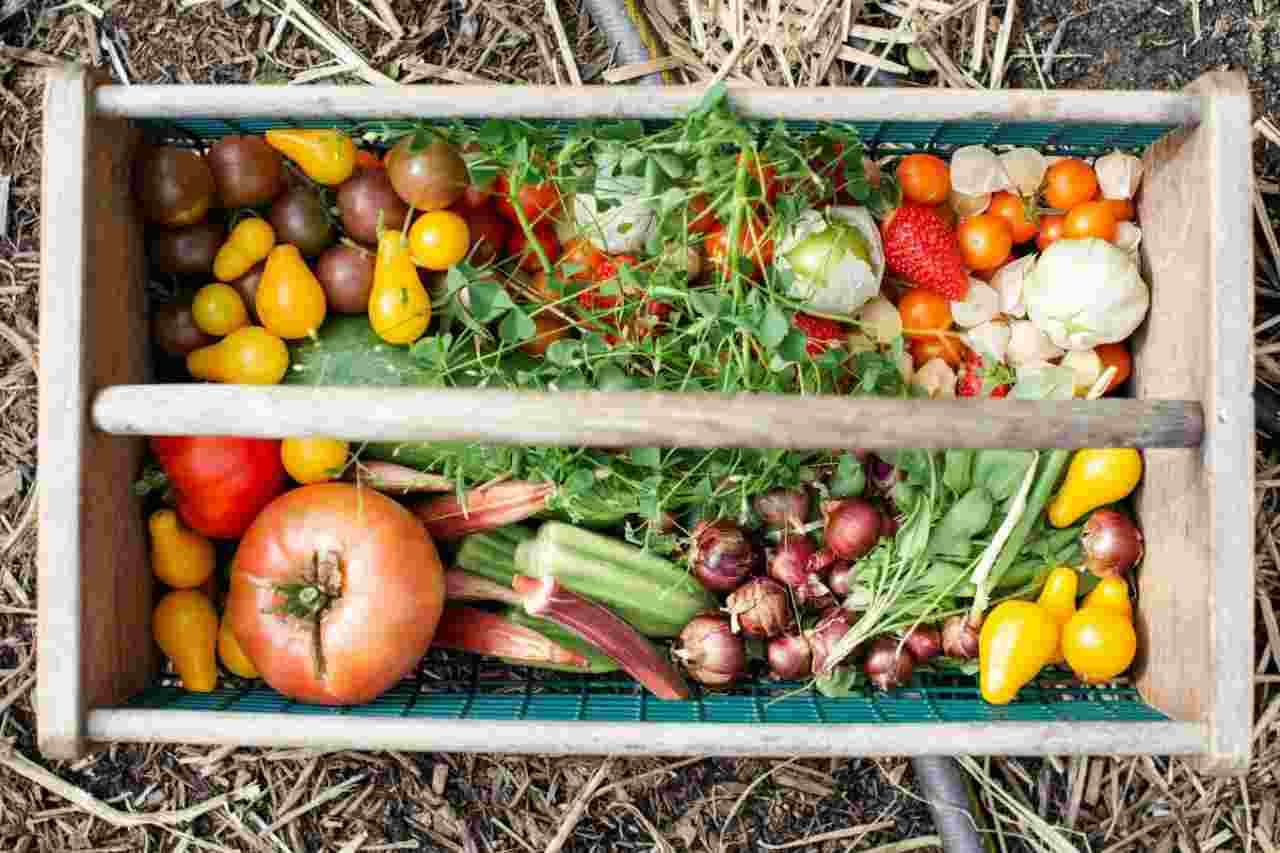
Another really important tip is to focus on all the amazing foods you can eat, instead of dwelling on what you're cutting out. There's such a huge variety of delicious vegetarian dishes! I'd suggest exploring new recipes and cuisines. For instance, try experimenting with lentils, chickpeas, tofu, tempeh, and a vast array of vegetables and grains. YouTube and food blogs are fantastic resources for inspiration. When you discover new favourite dishes, it makes the whole process feel exciting and less like a sacrifice. Plus, learning to cook new things can be a really fun journey!
And this is probably one of the most crucial points for maintaining a balanced diet: make sure you're getting enough protein and iron. These are often the biggest concerns for new vegetarians. Good plant-based protein sources include legumes like beans and lentils, quinoa, nuts, seeds, and soy products like tofu and edamame. For iron, leafy greens like spinach, fortified cereals, and again, lentils and beans are excellent. Pairing iron-rich foods with vitamin C, like orange juice or bell peppers, actually helps your body absorb the iron much better. You might even consider speaking with a nutritionist just for an initial consultation to make sure you're on the right track and to get personalized advice.
Finally, don't forget about the social aspect. Let your friends and family know about your decision so they can be supportive. When you're eating out or at gatherings, it's totally okay to ask about vegetarian options or even suggest places with good choices. Most restaurants nowadays have excellent plant-based dishes, so it's much easier than it used to be. Communicating your choices clearly and kindly helps everyone understand and accommodate you, rather than making it a big deal.
Honestly, [Cousin's Name], I’m really excited for you. It's a fantastic journey that many people find incredibly rewarding. Just take it one step at a time, be patient with yourself, and enjoy discovering all the delicious new foods. I'm here to support you if you need any more ideas or just want to chat about it. You've got this!
Expert Tips & Coaching
Understanding This Task
This CELPIP Speaking Task 1 requires you to give advice to a friend or family member on a specific topic. In this case, your cousin is considering becoming a vegetarian, and you need to guide them on the transition and maintaining a balanced diet. The key here is to sound natural, supportive, and provide practical, well-explained advice. Examiners are looking for your ability to communicate clearly, logically, and with appropriate vocabulary and fluency, just as you would in a real conversation. Think of it as a friendly chat where you're genuinely trying to help.
Use a Warm and Natural Tone
A crucial element for a high CELPIP score, especially in Task 1, is adopting a warm, conversational, and natural tone. You're talking to your cousin, so avoid sounding formal, academic, or overly rehearsed.
- Sound Friendly: Use expressions like 'Hey [Cousin's Name]', 'That's fantastic!', 'I'm really excited for you.'
- Be Supportive: Acknowledge their effort and potential challenges. Phrases like 'It can feel a bit daunting at first,' or 'It's completely normal to feel nervous' show empathy.
- Show Enthusiasm: Your voice should convey genuine interest and positivity. This isn't just about the words; it's also about your intonation and pacing.
- Avoid Robotic Delivery: Don't speak in a monotone. Vary your pitch and stress key words to make your speech engaging and natural.
Weak Example vs. Stronger Example:
- Weak: 'Becoming vegetarian is good. You should eat vegetables. Get protein. Be careful.' (Too blunt, unsupportive, brief.)
- Better: 'Hey, that's such a great idea! I'm really excited for you. It might seem tricky at first, but honestly, it's totally doable, and I have a few tips that might help you out.' (Warm, encouraging, natural opening.)
How to Start Your Response
Your opening sets the tone for your entire response. Aim for a friendly, natural, and encouraging start.
- Acknowledge and Congratulate: Start by directly addressing your cousin and acknowledging their decision positively.
- Weak: 'You want to be vegetarian.'
- Better: 'Hey [Cousin's Name], I just heard you're thinking about becoming vegetarian – that's wonderful news!'
- Express Support: Let them know you're there to help and that their decision is a good one.
- Weak: 'I will tell you what to do.'
- Better: 'I think that's a fantastic idea, and I'd love to share some tips that helped me or that I've learned about.'
- Offer a Brief, Encouraging Comment:
- Weak: 'It's hard.'
- Better: 'It might seem like a big change, but honestly, it's completely manageable and really rewarding.'
Organize Your Ideas Clearly
A well-structured response demonstrates coherence and makes it easier for the examiner to follow your ideas. Think of a simple, logical flow:
- Warm Conversational Opening: As discussed above.
- Introduce Your First Piece of Advice: Use a clear transition.
- Elaborate on Each Point: Provide reasons, benefits, and examples.
- Transition to the Next Point: Use connective phrases.
- Encouraging Conclusion: Summarize support and positive outlook.
Example Structure:
- 'Hey [Cousin's Name], that's amazing news!' (Opening)
- 'First off, I'd suggest making the transition gradually...' (Advice 1)
- 'Another really helpful thing is to focus on all the delicious new foods...' (Advice 2)
- 'And for maintaining a balanced diet, definitely prioritize protein and iron...' (Advice 3)
- 'Lastly, don't forget to communicate with friends and family...' (Advice 4)
- 'You've totally got this, and I'm here to help!' (Conclusion)
Detailed Idea Development
This is where you show your ability to elaborate and explain. Don't just list advice; expand on why it's good advice, how to implement it, and what the benefits are. Aim for 3-5 distinct, well-developed points.
Key Strategy: Explain, Justify, Illustrate
For each piece of advice:
- State the Advice Clearly: 'I'd definitely recommend a gradual transition.'
- Explain the Rationale/Benefit: 'This way, your body and taste buds have time to adjust, making it much more sustainable.'
- Provide a Concrete Example: 'For instance, you could start with one or two vegetarian days a week, then slowly increase.'
- Add a Natural Follow-up/Comment: 'It's all about building new habits, which takes a little time.'
Weak vs. Better Idea Expansion:
- Weak: 'Eat protein.'
- Better: 'One really important thing is to make sure you're getting enough plant-based protein. Things like lentils, chickpeas, and tofu are fantastic sources. This is crucial because protein keeps you feeling full and helps with muscle maintenance, so you won't feel weak or constantly hungry.'
- Explanation: The 'better' example doesn't just state the advice; it lists examples of protein sources, explains the benefit (fullness, muscle maintenance), and addresses a potential concern (feeling weak/hungry).
Expanding Your Vocabulary
To achieve a high CELPIP level, demonstrate a range of vocabulary related to the topic, as well as general conversational expressions.
Topic-Specific Vocabulary (Vegetarianism/Diet):
- Plant-based: An umbrella term for foods not derived from animals.
- Legumes: Beans, lentils, chickpeas, peas – excellent protein sources.
- Tofu/Tempeh/Seitan: Common meat alternatives.
- Nutrients: Essential substances for health (e.g., protein, iron, Vitamin B12, calcium).
- Balanced diet: Eating a variety of foods to get all necessary nutrients.
- Dietary fibre: Important for digestion, found in plants.
- Fortified foods: Foods with added nutrients (e.g., fortified plant milk for B12).
- Cravings: Strong desires for certain foods.
- Ethical/environmental reasons: Common motivations for vegetarianism.
- Pescatarian/Flexitarian/Vegan: Related dietary choices you might casually mention if relevant.
Conversational & Supportive Phrases:
- 'That's fantastic news!'
- 'I'm really excited for you!'
- 'It might seem daunting at first.'
- 'Honestly, it's totally manageable.'
- 'You've totally got this!'
- 'I'd strongly recommend...'
- 'One thing that really helps is...'
- 'It's all about...'
- 'To be honest...'
- 'From my experience...'
- 'For example...'
- 'Most importantly...'
Using Collocations Naturally:
- 'Make the transition smoothly'
- 'Maintain a balanced diet'
- 'Feel overwhelmed'
- 'Cut cold turkey' (meaning to stop abruptly)
- 'Explore new recipes'
- 'Nutritional guidance'
- 'Get personalized advice'
Example of use: 'Making the transition smoothly is key, so I'd recommend not cutting cold turkey. Instead, explore new recipes and seek nutritional guidance if you feel overwhelmed.'
Boosting Your Fluency and Coherence
Fluency isn't just about speaking fast; it's about speaking smoothly, with appropriate pacing, and connecting your ideas logically.
Strategies for Fluency:
- Pacing and Pausing: Don't rush. Use natural pauses at the end of sentences or when introducing a new idea. This gives you time to think and makes your speech sound more thoughtful.
- Intonation and Stress: Vary your voice. Emphasize important words to convey meaning and emotion. For instance, 'That's a wonderful idea!'
- Transitional Phrases: Use these extensively to link ideas:
- 'First of all,' 'To start with,'
- 'Another important tip is,' 'Besides that,'
- 'In addition,' 'What's more,'
- 'For example,' 'For instance,'
- 'Finally,' 'Lastly,' 'In conclusion,'
- Extending Answers Naturally: If you feel your answer is too short, elaborate on a point. Ask yourself: 'Why?', 'How?', 'What are the benefits?', 'Can I give an example?'
- Avoiding Memorized Speech: While practice is good, avoid sounding like you've memorized a script. Allow for natural hesitations or rephrasing, as long as it doesn't break coherence. This shows spontaneous language use.
Weak Fluency Example:
- 'Be vegetarian. Eat protein. Avoid meat. It's good.' (Choppy, lacks flow, no transitions.)
Stronger Fluency Example:
- 'So, first off, I'd really recommend easing into it. What I mean is, maybe start by having just one or two vegetarian meals a week, and then gradually, you can increase that. This really helps your body adjust, you know, and prevents you from feeling overwhelmed.' (Uses 'So,' 'First off,' 'What I mean is,' 'you know,' to connect ideas smoothly.)
Common Mistakes to Avoid
1. Giving Generic or Underexplained Advice
- Problem: The examiner wants to see detailed explanations and specific examples, not just a list of instructions.
- Weak Example: 'Just eat vegetables and fruit.'
- Why it's weak: It's too simplistic. It doesn't tell the cousin how to ensure balance or what kinds of vegetables/fruits are particularly helpful.
- Improved Version: 'Beyond just eating more vegetables and fruits, try to incorporate a wide variety of colors and types. For instance, leafy greens like spinach and kale are packed with iron, and berries offer antioxidants. Plus, diversifying your intake ensures you're getting a broad spectrum of vitamins and minerals.'
- Why it's better: Provides specific examples (spinach, kale, berries), explains the benefits (iron, antioxidants, broad spectrum of nutrients), and encourages variety.
2. Using Overly Formal or Academic Language
- Problem: Task 1 is a conversational task. Formal language sounds unnatural when speaking to a cousin.
- Weak Example: 'It is imperative that you procure adequate proteinaceous sustenance.'
- Why it's weak: This sounds like an academic paper, not a friendly chat. It's difficult to understand and doesn't match the context.
- Improved Version: 'Definitely make sure you're getting enough protein. You can find plenty in plant-based sources like lentils, chickpeas, and tofu, which are really versatile for cooking.'
- Why it's better: Uses natural, everyday language. It's clear, friendly, and practical.
3. Repetitive Vocabulary
- Problem: Reusing the same words or phrases repeatedly indicates a limited lexical range.
- Weak Example: 'You should eat healthy. Eating healthy is good. Eating healthy makes you feel good.'
- Why it's weak: The repetition of 'eating healthy' is noticeable and doesn't showcase varied vocabulary.
- Improved Version: 'Focus on making healthy choices, because a nutritious diet can significantly boost your energy levels and overall well-being. Prioritizing wholesome foods will definitely make you feel much better.'
- Why it's better: Uses synonyms and related phrases ('nutritious diet', 'wholesome foods', 'boost your energy levels', 'overall well-being') to convey the same idea without repetition.
4. Giving Very Short Answers
- Problem: A short answer doesn't give you enough opportunity to demonstrate your fluency, coherence, vocabulary, and detailed communication skills. Remember the 60-90 second response time.
- Weak Example: 'Good luck with vegetarianism. Eat well.'
- Why it's weak: Fails to provide any substantial advice or demonstrate speaking ability. It's far too brief.
- Improved Version: (The entire sample answer provided earlier is an example of an improved, extended answer.) The key is to elaborate on each point with reasons, examples, and personal reflections.
- Why it's better: A longer, detailed response allows you to showcase all the skills tested in CELPIP Speaking Task 1, demonstrating your ability to communicate effectively and extensively.
5. Unnatural Transitions
- Problem: Abruptly jumping between ideas without transition words makes your speech sound disjointed.
- Weak Example: 'Start slowly. Eat protein. Tell people.'
- Why it's weak: The ideas are separate, without any flow or connection.
- Improved Version: 'So, first off, I'd suggest starting slowly. Also, another really crucial thing is to make sure you're getting enough protein. And finally, it's a good idea to let your friends and family know about your decision.'
- Why it's better: Uses 'So, first off,' 'Also,' and 'And finally' to smoothly link the different pieces of advice, making the entire response more coherent.
Ready to Practice This Topic?
Use our AI-powered tool to record your answer and get instant CLB-scored feedback.
Practice with AI