
A neighbor is interested in volunteering for a cause
The Question
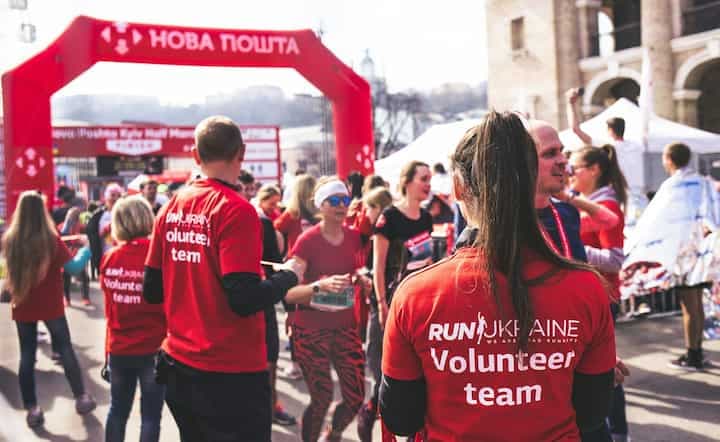
A neighbor is interested in volunteering for a cause. Offer suggestions on how to find the right opportunities and make a meaningful impact.
Sample Answer
Oh, hey there! That's absolutely wonderful to hear that you're thinking about volunteering. Honestly, it's such a rewarding experience, and there are countless amazing causes out there that could really use a helping hand. I'd be more than happy to share some thoughts on how you might find the perfect opportunity and truly make a difference.
First off, I'd strongly suggest you start with a bit of self-reflection. Think about what you're genuinely passionate about or what kind of issues truly resonate with you. Do you feel strongly about animal welfare, environmental protection, supporting children, or perhaps helping seniors? It's also really important to consider your own skills and what you enjoy doing. For example, if you're quite tech-savvy, a local non-profit might desperately need assistance with their website or social media. If you love being outdoors, perhaps a community garden project or a park clean-up initiative would be a perfect fit. When your passion and skills align with a cause, the volunteering feels less like a chore and more like a joy, which naturally makes your impact much stronger and more sustainable.
Once you have a general idea, the next crucial step is to research local organizations. Websites like Volunteer Canada, or even your city's official government site, often have comprehensive directories of local charities and non-profits actively seeking volunteers. When you're looking, don't just focus on their mission statement; make sure to check their 'volunteer' section specifically. Sometimes they list very precise roles they need to fill. It's incredibly helpful to know what their actual needs are. For instance, some organizations might need ongoing weekly commitments, while others might just require help with a large annual event or a specific short-term project. Understanding these expectations upfront helps you manage your time effectively and ensures you can commit reliably.
My third piece of advice would be to maybe start small or consider a trial period. You definitely don't have to commit to 20 hours a week right off the bat! Many organizations are perfectly happy for new volunteers to help with a single event, assist for a few hours, or join a short-term project. This approach allows you to get a real feel for the organization's culture, meet other volunteers, and truly see if it's a good personal fit without feeling overwhelmed. Also, try to be open to different roles than what you initially imagined. Sometimes the most impactful work happens behind the scenes, or in an area you hadn't even considered. Showing flexibility usually means you become an even more valuable and versatile asset to them.
Finally, and this might sound obvious, but being reliable and proactive is absolutely key to making a meaningful impact. If you commit to a specific shift or task, always show up on time and be ready to contribute. If you notice something that needs doing and you have the capacity and permission, offer your assistance. When volunteers are dependable and take initiative, it truly makes a massive difference, especially to understaffed organizations. It builds trust, and they'll likely entrust you with more responsibility and opportunities to contribute in increasingly significant ways. Plus, it's just a fantastic way to build strong connections within your community and feel truly valued.
Honestly, it's such a fulfilling journey, and I'm sure you'll find something incredibly rewarding. Don't be afraid to try a few different things until you discover your perfect match. I'm really excited for you! Let me know if you want to brainstorm more ideas or if you find any interesting places to get involved.
Expert Tips & Coaching
Understanding This Task
This CELPIP Speaking Task 1 requires you to offer suggestions to a friend or neighbor, providing advice on how to approach a specific situation – in this case, finding volunteering opportunities and making an impact. The core of this task is to demonstrate your ability to give clear, well-structured, and empathetic advice in a natural, conversational manner. Examiners are looking for more than just a list of tips; they want to hear you explain why your suggestions are helpful and how they can be implemented. Think of it as a friendly chat where you're genuinely trying to assist someone you know.
Your response should sound spontaneous and authentic, as if you're truly helping a neighbor. The goal is to show strong fluency, coherence, and appropriate vocabulary, all delivered with a warm and supportive tone. This isn't a formal presentation, so avoid overly academic language or rigid structures. Instead, aim for the kind of language you'd use in an everyday conversation with someone you care about.
Use a Warm and Natural Tone
One of the most crucial elements for scoring high on this task is your tone. You're talking to a neighbor, so your delivery should be friendly, supportive, and encouraging. Avoid sounding robotic, formal, or disengaged. A warm tone conveys empathy and makes your advice more relatable and impactful. It shows the examiner that you can use language to build rapport and communicate effectively in a social context.
How to Achieve a Natural Tone:
- Empathy and Enthusiasm: Start by expressing genuine enthusiasm for your neighbor's decision. Phrases like 'That's wonderful to hear!' or 'What a fantastic idea!' immediately set a positive tone.
- Conversational Language: Use contractions (e.g., 'it's', 'I'd', 'you'll'), interjections (e.g., 'Oh, hey!', 'Honestly'), and discourse markers (e.g., 'you know', 'I mean') naturally. These make your speech sound less scripted.
- Positive Affirmation: Throughout your response, offer supportive comments like 'I'm sure you'll find something great' or 'It's such a rewarding experience.'
- Vary Your Intonation: Let your voice rise and fall naturally. A varied intonation pattern helps convey sincerity and keeps the listener engaged, indicating strong control over spoken English.
Weak Example (Formal/Robotic): 'I am providing recommendations regarding volunteer options.'
Better Example (Warm/Natural): 'Oh, hey! That's absolutely wonderful to hear that you're thinking about volunteering. I'd be thrilled to share some ideas!'
How to Start Your Response
A strong, natural opening immediately sets the stage for a high-scoring response. It helps you quickly establish a conversational tone and show your ability to engage socially.
Effective Opening Strategies:
-
Acknowledge and Validate: Immediately acknowledge your neighbor's interest and express your approval or enthusiasm. This shows you're listening and supportive.
- Weak: 'Here is my advice about volunteering.'
- Improved: 'That's a fantastic idea! I'm so glad you're considering volunteering.'
-
Offer Assistance: Clearly state that you're happy to help or share your thoughts.
- Weak: 'I will tell you what to do.'
- Improved: 'I'd be happy to share some thoughts on how you might find the perfect opportunity.'
-
Use a Conversational Greeting: Start with something informal and friendly.
- Weak: 'To whom it may concern.'
- Improved: 'Oh, hey there!' or 'Hi [Neighbor's Name, if you want to imagine one]!'
Combining these elements creates a smooth and natural start, like the sample answer: 'Oh, hey there! That's absolutely wonderful to hear that you're thinking about volunteering. Honestly, it's such a rewarding experience... I'd be more than happy to share some thoughts...'
Organize Your Ideas Clearly
Even in a conversational task, clear organization is key for coherence and for the examiner to follow your ideas easily. A well-structured response demonstrates strong logical thinking and communication skills.
Recommended Structure:
- Warm Conversational Opening: As discussed above, acknowledge and express enthusiasm.
- Idea 1: Self-Reflection on Interests/Skills: Suggest thinking about personal passions and abilities.
- Idea 2: Research Local Organizations: Advise looking into specific groups and their needs.
- Idea 3: Start Small/Be Flexible: Suggest trying short-term roles or being open to different tasks.
- Idea 4: Reliability and Proactiveness: Emphasize the importance of commitment and initiative.
- Encouraging Conclusion: Offer final words of support and perhaps an open-ended invitation for further discussion.
Using Transitions:
Transitions are vital for connecting your ideas smoothly and making your response flow naturally. They act as signposts for the listener.
- 'First off, I'd strongly suggest...'
- 'Once you have a general idea, the next crucial step is...'
- 'My third piece of advice would be...'
- 'Finally, and this might sound obvious, but...'
- 'Honestly, it's such a fulfilling journey...'
Avoid jumping abruptly from one piece of advice to another without a connecting phrase. Smooth transitions show strong coherence and make your speaking sound more advanced.
Detailed Idea Development: Going Beyond Simple Advice
This is where many test-takers miss an opportunity to score higher. CELPIP examiners want to see that you can explain your advice, not just list it. For each suggestion, expand on the 'why' and the 'how'.
How to Elaborate on Your Advice:
- State the Advice Clearly: Present your suggestion.
- Example: 'I'd suggest starting with a bit of self-reflection.'
- Explain the Rationale (the 'Why'): Why is this advice important or beneficial?
- Example: 'When your passion and skills align with a cause, the volunteering feels less like a chore and more like a joy, which naturally makes your impact much stronger.'
- Provide Examples or Scenarios (the 'How'): Give a concrete illustration of what you mean.
- Example: 'For example, if you're quite tech-savvy, a local non-profit might desperately need assistance with their website or social media.'
- Add a Natural Follow-up or Consequence: What is the outcome or next logical step?
- Example: 'Understanding these expectations upfront helps you manage your time effectively and ensures you can commit reliably.'
Weak Example (Undeveloped): 'Find a cause you like.'
Better Example (Developed): 'First off, I'd strongly suggest you start with a bit of self-reflection. Think about what you're genuinely passionate about, or what kind of issues truly resonate with you. When your passion and skills align with a cause, the volunteering feels less like a chore and more like a joy, which naturally makes your impact much stronger and more sustainable.'
This detailed approach shows sophisticated linguistic resources and strategic competence, moving beyond basic communication.
Expanding Your Vocabulary for This Topic
Using a range of appropriate vocabulary demonstrates a higher level of linguistic proficiency. Don't just stick to 'volunteer' and 'help'; explore synonyms and related phrases.
Key Vocabulary Categories:
- Volunteering Concepts:
- 'give back to the community', 'make a meaningful impact', 'lend a helping hand', 'contribute', 'dedicate time', 'non-profit organizations', 'charitable causes', 'community outreach', 'social good', 'advocacy', 'philanthropy', 'pro bono work'.
- Describing Experience/Impact:
- 'rewarding experience', 'fulfilling', 'invaluable contribution', 'make a real difference', 'positive change', 'personally enriching', 'gain new perspectives'.
- Giving Advice/Suggestions:
- 'I'd strongly suggest...', 'My top tip would be...', 'One thing that really helps is...', 'It's a good idea to...', 'Consider...', 'From my experience...', 'I would definitely recommend...'
- Expressing Enthusiasm/Support:
- 'That's fantastic!', 'Wonderful idea!', 'I'm so glad to hear that!', 'You'll love it!', 'I'm really excited for you!'
Example in Context: 'Honestly, it's such a fulfilling journey, and I'm sure you'll find something incredibly rewarding. Don't be afraid to try a few different things until you discover your perfect match.'
Boost Your Fluency and Coherence
Fluency isn't just about speaking fast; it's about speaking smoothly, naturally, and with appropriate pausing and rhythm. Coherence refers to how logically your ideas are connected.
Tips for Fluency and Coherence:
- Natural Pacing: Avoid speaking too quickly, which can make you sound rushed and unclear. Also, avoid speaking too slowly, which can make you sound hesitant. Aim for a pace that feels natural for a conversation.
- Strategic Pausing: Don't be afraid of natural pauses. They give you a moment to gather your thoughts and allow the listener to process information. Pausing at the end of a sentence or before a new idea can enhance clarity.
- Stress and Intonation: Emphasize key words to convey meaning and emotion. For example, stressing 'absolutely wonderful' or 'truly make a difference' adds impact. Varying your intonation makes your speech more engaging.
- Extend Your Answers: Instead of giving short, abrupt answers, practice elaborating. Use conjunctions ('and', 'but', 'because', 'so') and relative clauses ('which is why...', 'where you can...') to link ideas and extend your sentences naturally.
- Avoid Over-Memorization: While practicing structures is good, trying to memorize an entire response can make you sound unnatural and robotic. Focus on understanding the core ideas and vocabulary, then let your words flow spontaneously during the actual test.
Common Mistakes to Avoid
Being aware of common pitfalls can help you refine your response and achieve a higher score.
1. Giving Generic Advice Without Explanation:
- The Problem: Simply listing tips without explaining why they are important or how to implement them.
- Weak Example: 'You should research organizations. You should be reliable.'
- Improved Example: 'Once you have a general idea, the next crucial step is to research local organizations. It's incredibly helpful to know what their actual needs are, because this helps you manage your time effectively and ensures you can commit reliably.'
2. Sounding Overly Formal or Academic:
- The Problem: Using language that is too stiff or detached for a conversational task with a neighbor.
- Weak Example: 'One must commence by analyzing one's intrinsic aptitudes.'
- Improved Example: 'First off, I'd strongly suggest you start with a bit of self-reflection. Think about what you're genuinely passionate about, or what kind of issues truly resonate with you.'
3. Lack of Transitions and Coherence:
- The Problem: Ideas jump abruptly from one to another without clear connections, making the response difficult to follow.
- Weak Example: 'Think about passions. Look for groups. Be reliable.'
- Improved Example: 'First off, I'd suggest starting with self-reflection. Once you have a general idea, the next crucial step is to research organizations. Finally, being reliable is absolutely key.'
4. Very Short Answers:
- The Problem: Not providing enough detail or elaboration, resulting in a response that's too brief and doesn't fully answer the prompt's requirements for 'suggestions' and 'meaningful impact'.
- Weak Example: 'Find a good charity and help them.'
- Improved Example: (See the sample answer for a full example of a detailed, elaborated response.) Remember, aim for at least 260 words for Task 1.
5. Repetitive Vocabulary:
- The Problem: Using the same few words repeatedly (e.g., constantly saying 'volunteer' or 'help') instead of exploring synonyms and varied phrasing.
- Weak Example: 'If you volunteer, you can help people. Helping people makes you a good volunteer.'
- Improved Example: 'If you dedicate your time, you can make a meaningful impact. Contributing to a cause makes you a more effective advocate.'
Final Practice Tips
- Record Yourself: Use your phone or a computer to record your practice responses. Listen back critically to your tone, pacing, vocabulary, and idea development.
- Focus on the 'Why' and 'How': For every piece of advice, ask yourself: 'Why is this important?' and 'How would my neighbor actually do this?' This will help you naturally expand your explanations.
- Practice with a Friend: If possible, practice with a language partner or a native English speaker. Ask them for feedback on how natural and clear your advice sounds.
- Time Yourself: Get comfortable speaking for the full 60 seconds. If you finish too early, you likely need more elaboration. If you run out of time, you might need to organize your ideas more concisely. The ideal speaking time for Task 1 is usually between 45-60 seconds, but aiming for a full 60 seconds with rich detail is best for Level 9+.
Ready to Practice This Topic?
Use our AI-powered tool to record your answer and get instant CLB-scored feedback.
Practice with AI