
A family member is planning to switch to a healthier diet
Câu Hỏi
A family member is planning to switch to a healthier diet. Offer tips on how to make healthier food choices.
Bài Mẫu
Hey, that's fantastic news about you planning to switch to a healthier diet! I'm really happy to hear that you're focusing on your well-being. It's a wonderful journey, and I'd love to share a few tips that have helped me, especially since it can feel a bit overwhelming at first.
First off, I'd strongly suggest starting small and making gradual changes. Don't try to overhaul everything at once, because that can be really tough to stick with. For example, instead of cutting out all your favourite snacks immediately, maybe try swapping one unhealthy snack a day for something healthier, like a piece of fruit or a handful of nuts. Or, if you usually have white rice, try incorporating brown rice or quinoa into one meal a week, then gradually increase it. Small victories build confidence and make the habit more sustainable in the long run.
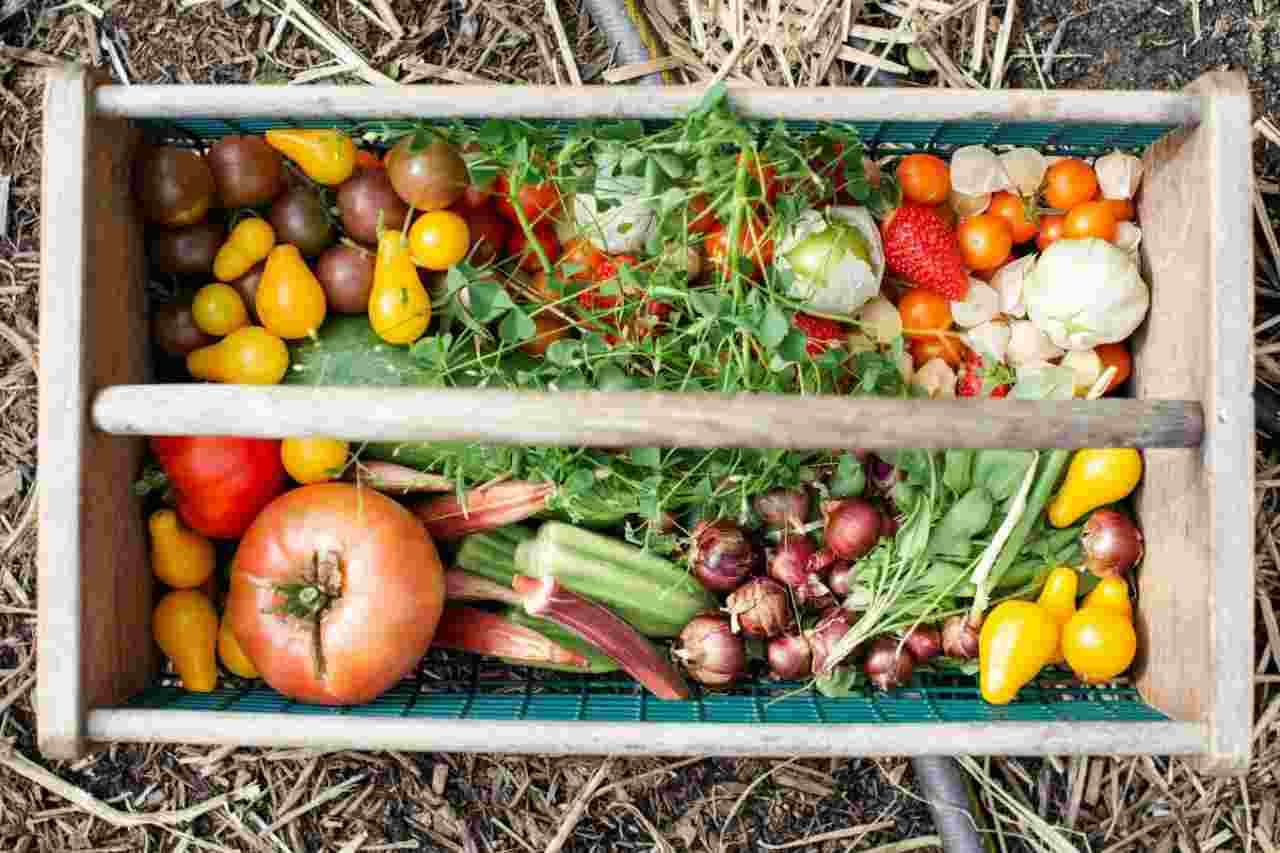
Another super important tip is to focus on adding good things, rather than just eliminating bad things. Sometimes, when we just think about 'what I can't eat,' it creates a sense of deprivation. Instead, think about how you can boost your intake of fruits, vegetables, and lean proteins. For instance, try adding an extra serving of veggies to your dinner, or start your day with a smoothie packed with spinach and berries. When your plate is full of nutrient-dense foods, there's naturally less room for less healthy options, and you feel more satisfied.
I'd also really recommend doing some meal planning, even if it's just for a few days at a time. This has been a game-changer for me. When you plan your meals, you're less likely to grab something unhealthy on the fly when you're hungry and short on time. Maybe you could spend an hour on Sunday prepping some healthy lunches, like a big salad or a batch of lentil soup. Having healthy options readily available in your fridge makes it so much easier to make good choices consistently throughout the week. Plus, it often saves money too!
Finally, and this might be the most crucial, remember to be patient and kind to yourself. There will be days when you slip up, and that's perfectly okay and completely normal. Don't let one 'bad' meal derail your whole effort. Just acknowledge it, enjoy it if you did, and get right back on track with your next meal. This isn't about perfection; it's about progress and building healthier habits over time. You've got this, and I'm here to support you every step of the way!
Mẹo & Hướng Dẫn Chuyên Gia
Hiểu Rõ Nhiệm Vụ Này
Nhiệm vụ CELPIP Speaking Task 1 này yêu cầu bạn đưa ra lời khuyên cho một thành viên trong gia đình về việc chuyển sang chế độ ăn uống lành mạnh hơn. Đây là một dạng bài phổ biến của nhiệm vụ đưa lời khuyên cá nhân, nơi bạn cần phải thể hiện sự ủng hộ, đồng cảm và kiến thức. Giám khảo không chỉ tìm kiếm một danh sách các mẹo, mà còn đánh giá khả năng giao tiếp tự nhiên, rõ ràng, mạch lạc và lưu loát của bạn. Bạn đang thực sự trò chuyện với một người thân yêu, vì vậy giọng điệu của bạn nên ấm áp, thân thiện và khuyến khích, giống như trong cuộc sống thực.
Giám khảo mong đợi một câu trả lời có cấu trúc tốt, bao gồm phần mở đầu tự nhiên, một số lời khuyên rõ ràng và được phát triển kỹ lưỡng, cùng với một lời kết thúc mang tính động viên. Mỗi lời khuyên nên được giải thích bằng lý do và ví dụ, thể hiện khả năng diễn đạt và duy trì cuộc trò chuyện của bạn. Tránh nói như thể bạn chỉ đang liệt kê các sự kiện; thay vào đó, hãy hướng tới một cuộc đối thoại năng động và hấp dẫn.
Áp Dụng Giọng Điệu Ấm Áp và Tự Nhiên
Giọng điệu của bạn rất quan trọng trong nhiệm vụ này. Vì bạn đang khuyên một thành viên trong gia đình, sự trang trọng sẽ nghe không tự nhiên và thậm chí có thể bị điểm thấp hơn. Hãy hướng tới sự ấm áp, hỗ trợ và đồng cảm chân thành. Hãy tưởng tượng bạn đang thực sự nói chuyện với anh chị em, cha mẹ hoặc vợ/chồng của mình. Điều này có nghĩa là sử dụng giọng điệu thân thiện, thay đổi ngữ điệu và thể hiện sự nhiệt tình đối với mục tiêu mới của họ.
- Nghe thân thiện: Sử dụng các cụm từ như 'That's fantastic news!' (Đó là một tin tuyệt vời!), 'I'm so happy to hear that!' (Tôi rất vui khi nghe điều đó!) hoặc 'What a great idea!' (Thật là một ý tưởng tuyệt vời!). Một nụ cười chân thành, ngay cả khi chỉ trên khuôn mặt bạn khi nói, cũng có thể ảnh hưởng tinh tế đến giọng nói của bạn và khiến bạn nghe ấm áp hơn.
- Thể hiện sự hỗ trợ: Thừa nhận rằng thay đổi có thể là thách thức. Các cụm từ như 'I know it can feel a bit overwhelming at first' (Tôi biết lúc đầu có thể hơi choáng ngợp) hoặc 'It's completely normal to have days when you slip up' (Thật bình thường khi có những ngày bạn mắc lỗi) thể hiện sự thấu hiểu và xây dựng kết nối. Hãy trấn an họ bằng những câu nói như 'You've got this!' (Bạn làm được mà!) hoặc 'I'm here to support you.' (Tôi ở đây để hỗ trợ bạn.).
- Tránh nói một cách máy móc: Đừng nói bằng một giọng đều đều hoặc như thể bạn đang đọc từ một kịch bản. Hãy để giọng nói của bạn lên xuống tự nhiên. Sử dụng những khoảng dừng tự nhiên để nhấn mạnh các điểm hoặc cho phép mình một chút thời gian để suy nghĩ, giống như trong một cuộc trò chuyện thực tế.
Cách Bắt Đầu Câu Trả Lời Của Bạn
Một phần mở đầu mạnh mẽ sẽ tạo tiền đề cho một câu trả lời đạt điểm cao. Nó phải tự nhiên, mang tính đối thoại và ngay lập tức đề cập đến tình huống một cách tích cực.
Ví dụ mở đầu yếu: 'Hello. Today I will give advice about healthy diet. My first advice is...' (Quá trang trọng, máy móc và không giống một cuộc trò chuyện.)
Ví dụ mở đầu được cải thiện: 'Hey, that's fantastic news about you planning to switch to a healthier diet! I'm really happy to hear that you're focusing on your well-being. It's a wonderful journey, and I'd love to share a few tips that have helped me, especially since it can feel a bit overwhelming at first.' (Chào bạn, nghe tin bạn đang lên kế hoạch chuyển sang chế độ ăn uống lành mạnh hơn thật là một tin tuyệt vời! Tôi thực sự vui khi nghe bạn đang tập trung vào sức khỏe của mình. Đó là một hành trình tuyệt vời, và tôi rất muốn chia sẻ một vài mẹo đã giúp ích cho tôi, đặc biệt là vì lúc đầu có thể cảm thấy hơi choáng ngợp.)
Lý do phiên bản cải thiện tốt hơn:
- Nó bắt đầu bằng một lời chào tự nhiên ('Hey').
- Nó thể hiện sự phấn khích và hỗ trợ chân thành ('fantastic news', 'really happy').
- Nó thừa nhận thách thức ('can feel a bit overwhelming'), thể hiện sự đồng cảm.
- Nó tạo ra một giọng điệu tích cực và hợp tác ('I'd love to share a few tips that have helped me').
Sắp Xếp Ý Tưởng Của Bạn Rõ Ràng
Việc sắp xếp suy nghĩ của bạn là rất quan trọng để có sự mạch lạc. Hãy hướng tới một dòng chảy rõ ràng, hợp lý, thường chuyển từ một gợi ý chung đến các mẹo cụ thể, có thể hành động. Một cấu trúc tốt giúp người nghe (và giám khảo) dễ dàng theo dõi ý tưởng của bạn.
Đây là cấu trúc được khuyến nghị:
- Mở đầu ấm áp, tích cực: Phản ứng với tin tức một cách nhiệt tình và thể hiện sự ủng hộ.
- Điểm khuyên 1 (kèm giải thích và ví dụ): Giới thiệu lời khuyên đầu tiên của bạn, giải thích tầm quan trọng của nó và cung cấp một ví dụ cụ thể.
- Điểm khuyên 2 (kèm giải thích và ví dụ): Sử dụng một cụm từ chuyển tiếp, đưa ra một lời khuyên khác, giải thích chi tiết và đưa ra một ví dụ.
- Điểm khuyên 3 (kèm giải thích và ví dụ): Tiếp tục với một sự chuyển tiếp mượt mà, trình bày lời khuyên thứ ba của bạn và phát triển nó đầy đủ.
- Điểm khuyên tùy chọn 4/5: Nếu thời gian cho phép và bạn có thêm ý tưởng, hãy thêm một điểm nữa.
- Kết luận khuyến khích: Tóm tắt sự hỗ trợ của bạn, nhắc lại sự tích cực và đưa ra lời khuyến khích liên tục.
Sử dụng các từ và cụm từ chuyển tiếp rõ ràng để hướng dẫn người nghe từ ý này sang ý khác. Điều này giúp cải thiện đáng kể điểm mạch lạc của bạn.
Phát Triển Chi Tiết Từng Lời Khuyên
Thay vì chỉ liệt kê các mẹo, bạn cần mở rộng từng mẹo. Để đạt được cấp độ CELPIP cao, mỗi ý tưởng quan trọng nên được theo sau bởi:
- Giải thích tại sao điều đó quan trọng: Lợi ích hoặc lý do là gì?
- Một ví dụ thực tế hoặc tình huống nhỏ: Làm thế nào họ có thể áp dụng lời khuyên này vào thực tế?
- Một câu theo sau tự nhiên: Nối nó với điểm tiếp theo hoặc củng cố điểm hiện tại.
Ví dụ lời khuyên yếu: 'You should start small.' (Bạn nên bắt đầu từ những việc nhỏ.)
Ví dụ lời khuyên được phát triển tốt hơn: 'First off, I'd strongly suggest starting small and making gradual changes. Don't try to overhaul everything at once, because that can be really tough to stick with. For example, instead of cutting out all your favourite snacks immediately, maybe try swapping one unhealthy snack a day for something healthier, like a piece of fruit or a handful of nuts. Small victories build confidence and make the habit more sustainable in the long run.' (Trước hết, tôi thực sự khuyên bạn nên bắt đầu từ những việc nhỏ và thực hiện những thay đổi dần dần. Đừng cố gắng thay đổi mọi thứ cùng một lúc, vì điều đó thực sự khó để duy trì. Ví dụ, thay vì cắt bỏ ngay lập tức tất cả các món ăn vặt yêu thích của bạn, hãy thử thay thế một món ăn vặt không lành mạnh mỗi ngày bằng một thứ gì đó lành mạnh hơn, như một miếng trái cây hoặc một nắm hạt. Những chiến thắng nhỏ xây dựng sự tự tin và làm cho thói quen bền vững hơn về lâu dài.)
Lý do phiên bản cải thiện tốt hơn:
- Nó sử dụng một cụm từ đề xuất mạnh mẽ ('I'd strongly suggest').
- Nó giải thích tại sao ('tough to stick with', 'small victories build confidence').
- Nó cung cấp các ví dụ cụ thể, dễ liên tưởng ('swapping one unhealthy snack', 'piece of fruit or a handful of nuts').
- Nó cho thấy mối quan hệ nhân quả rõ ràng, thể hiện mức độ tư duy phân tích và khả năng giao tiếp cao hơn.
Từ Vựng Thiết Yếu cho 'Lựa Chọn Lành Mạnh Hơn'
Sử dụng một loạt từ vựng thích hợp thể hiện khả năng từ vựng của bạn. Dưới đây là một số thuật ngữ và cụm từ liên quan đến 'chế độ ăn uống lành mạnh hơn' và 'đưa ra lời khuyên':
1. Diễn đạt sự khuyến khích & hỗ trợ:
- 'That's fantastic news!' (Đó là một tin tuyệt vời!)
- 'I'm really happy to hear that!' (Tôi thực sự vui khi nghe điều đó!)
- 'What a great initiative!' (Thật là một sáng kiến tuyệt vời!)
- 'You've got this!' (Bạn làm được mà!)
- 'I'm here to support you every step of the way.' (Tôi ở đây để hỗ trợ bạn từng bước.)
- 'It's a wonderful journey.' (Đó là một hành trình tuyệt vời.)
2. Các thuật ngữ chung về Sức khỏe & Chế độ ăn uống:
- 'Healthier food choices' (Những lựa chọn thực phẩm lành mạnh hơn)
- 'Nutrient-dense foods' (Thực phẩm giàu dinh dưỡng)
- 'Balanced diet' (Chế độ ăn uống cân bằng)
- 'Lean proteins' (Protein nạc)
- 'Whole grains' (Ngũ cốc nguyên hạt, ví dụ: gạo lứt, diêm mạch, bánh mì nguyên cám)
- 'Processed foods' (Thực phẩm chế biến sẵn)
- 'Sugar intake' (Lượng đường nạp vào)
- 'Hydration' (Cung cấp đủ nước)
- 'Portion control' (Kiểm soát khẩu phần ăn)
3. Cụm từ khuyên thiết thực:
- 'Start small and make gradual changes.' (Bắt đầu từ những việc nhỏ và thực hiện những thay đổi dần dần.)
- 'Don't try to overhaul everything at once.' (Đừng cố gắng thay đổi mọi thứ cùng một lúc.)
- 'Swap X for Y' (Đổi X lấy Y, ví dụ: 'swap one unhealthy snack for a piece of fruit' (đổi một món ăn vặt không lành mạnh lấy một miếng trái cây).)
- 'Incorporate X into your diet' (Kết hợp X vào chế độ ăn của bạn, ví dụ: 'incorporate more vegetables' (kết hợp thêm rau xanh).)
- 'Boost your intake of...' (Tăng cường lượng tiêu thụ..., ví dụ: 'boost your intake of fruits and vegetables' (tăng cường lượng trái cây và rau xanh).)
- 'Meal planning' (Lập kế hoạch bữa ăn)
- 'Prep healthy lunches' (Chuẩn bị bữa trưa lành mạnh)
- 'Read food labels' (Đọc nhãn thực phẩm)
- 'Cook at home more often.' (Nấu ăn tại nhà thường xuyên hơn.)
4. Thừa nhận thách thức và thực tế:
- 'It can feel a bit overwhelming at first.' (Lúc đầu có thể hơi choáng ngợp.)
- 'It's a common challenge.' (Đó là một thách thức phổ biến.)
- 'There will be days when you slip up.' (Sẽ có những ngày bạn mắc lỗi.)
- 'Be patient and kind to yourself.' (Hãy kiên nhẫn và tử tế với bản thân.)
- 'Don't let one 'bad' meal derail your whole effort.' (Đừng để một bữa ăn 'không tốt' làm hỏng toàn bộ nỗ lực của bạn.)
- 'It's about progress, not perfection.' (Đó là về sự tiến bộ, không phải sự hoàn hảo.)
Nắm Vững Độ Lưu Loát và Mạch Lạc
Lưu loát không chỉ là nói nhanh; đó là nói một cách trôi chảy và tự nhiên, với tốc độ và cách tạm dừng phù hợp. Mạch lạc có nghĩa là các ý tưởng của bạn được kết nối logic và dễ theo dõi.
- Tốc độ: Nói với tốc độ thoải mái, tự nhiên. Tránh vội vàng, vì điều này có thể dẫn đến lỗi hoặc phát âm không rõ ràng. Ngoài ra, tránh nói quá chậm, điều này có thể nghe do dự.
- Khoảng dừng tự nhiên: Sử dụng khoảng dừng ở những nơi chúng xuất hiện tự nhiên trong lời nói (ví dụ: sau một suy nghĩ hoàn chỉnh, trước khi giới thiệu một ý tưởng mới). Điều này cho người nghe thời gian xử lý và làm cho lời nói của bạn nghe có suy nghĩ và kiểm soát hơn.
- Ngữ điệu và Nhấn mạnh: Thay đổi cao độ và nhấn mạnh các từ khóa. Ví dụ, khi nói 'That's fantastic news!', hãy nhấn mạnh 'fantastic' để truyền tải sự phấn khích chân thật. Điều này làm cho lời nói của bạn sinh động hơn.
- Kết nối ý tưởng bằng các từ chuyển tiếp: Sử dụng nhiều từ và cụm từ chuyển tiếp để liên kết các điểm của bạn. Ví dụ bao gồm:
- 'First off, I'd suggest...' (Trước hết, tôi khuyên...)
- 'Another super important tip is...' (Một mẹo cực kỳ quan trọng khác là...)
- 'Besides that, I would also recommend...' (Bên cạnh đó, tôi cũng muốn giới thiệu...)
- 'One thing that really helps is...' (Một điều thực sự giúp ích là...)
- 'Finally, and this might be the most crucial...' (Cuối cùng, và đây có thể là điều quan trọng nhất...)
- 'In addition to that...' (Ngoài ra...)
- Tránh lặp lại: Cố gắng diễn đạt lại ý tưởng bằng cách sử dụng từ vựng khác nhau thay vì lặp lại cùng một từ hoặc cấu trúc câu. Điều này cho thấy phạm vi từ vựng rộng hơn.
Những Lỗi Thường Gặp Cần Tránh
Nhận thức được những cạm bẫy thường gặp có thể giúp bạn chuẩn bị một câu trả lời tốt hơn.
-
Chỉ đưa ra lời khuyên ngắn gọn, không phát triển:
- Yếu: 'Eat vegetables. Drink water. Plan meals.' (Ăn rau. Uống nước. Lập kế hoạch bữa ăn.)
- Cải thiện: 'I would definitely recommend focusing on adding more vegetables to your meals. For example, you could try tossing an extra handful of spinach into your morning smoothie or doubling your veggie portion at dinner. This not only boosts your nutrient intake but also helps you feel fuller with fewer calories.' (Tôi chắc chắn sẽ khuyên bạn nên tập trung vào việc bổ sung thêm rau vào các bữa ăn của mình. Ví dụ, bạn có thể thử cho thêm một nắm rau bina vào ly sinh tố buổi sáng hoặc tăng gấp đôi khẩu phần rau vào bữa tối. Điều này không chỉ tăng cường lượng dinh dưỡng mà còn giúp bạn cảm thấy no lâu hơn với ít calo hơn.)
- Tại sao tốt hơn: Nó giải thích tại sao lời khuyên đó tốt và cung cấp một ví dụ cụ thể về cách thực hiện.
-
Nghe quá trang trọng hoặc như đọc kịch bản:
- Yếu: 'It is imperative that you reduce your caloric intake and increase your consumption of fibrous produce.' (Điều cần thiết là bạn phải giảm lượng calo nạp vào và tăng cường tiêu thụ các sản phẩm giàu chất xơ.)
- Cải thiện: 'Honestly, just trying to eat more fruits and veggies can make a huge difference. Don't worry too much about strict calorie counting at first; just focus on getting those good nutrients in.' (Thật lòng mà nói, chỉ cần cố gắng ăn nhiều trái cây và rau hơn thôi cũng có thể tạo ra sự khác biệt lớn rồi. Lúc đầu đừng quá lo lắng về việc đếm calo nghiêm ngặt; cứ tập trung vào việc nạp những dưỡng chất tốt vào cơ thể là được.)
- Tại sao tốt hơn: Nó mang tính đối thoại, sử dụng ngôn ngữ đơn giản, tự nhiên hơn và mang tính khuyến khích.
-
Thiếu kết nối cảm xúc/đồng cảm:
- Yếu: 'Healthy diet is good. Do it.' (Chế độ ăn lành mạnh tốt. Hãy làm đi.)
- Cải thiện: 'I know starting a new diet can feel like a big step, but remember to be patient with yourself. It's totally fine to have some off days; just try to get back on track with your next meal. Every little bit of effort counts!' (Tôi biết bắt đầu một chế độ ăn mới có thể là một bước đi lớn, nhưng hãy nhớ kiên nhẫn với bản thân. Có những ngày bạn không theo đúng kế hoạch cũng hoàn toàn bình thường thôi; cứ cố gắng quay lại quỹ đạo với bữa ăn tiếp theo của bạn. Mỗi chút nỗ lực đều có giá trị!)
- Tại sao tốt hơn: Nó thừa nhận khía cạnh cảm xúc của sự thay đổi, thể hiện sự thấu hiểu và động viên bằng ngôn ngữ tích cực.
-
Sử dụng các từ chuyển tiếp kém:
- Yếu: 'Eat fruit. Then eat vegetables. Cook food at home. It is healthy.' (Ăn trái cây. Sau đó ăn rau. Nấu ăn ở nhà. Nó lành mạnh.) (Ngắt quãng, thiếu mạch lạc)
- Cải thiện: 'First of all, make sure to load up on fruits and vegetables. Beyond that, I'd also strongly suggest trying to cook at home more often, as that gives you much more control over your ingredients.' (Trước hết, hãy đảm bảo nạp nhiều trái cây và rau xanh. Ngoài ra, tôi cũng thực sự khuyên bạn nên cố gắng nấu ăn tại nhà thường xuyên hơn, vì điều đó giúp bạn kiểm soát tốt hơn các nguyên liệu của mình.)
- Tại sao tốt hơn: Sử dụng các cụm từ chuyển tiếp rõ ràng ('First of all', 'Beyond that') để kết nối các ý tưởng một cách trôi chảy.
-
Không giải thích 'Tại sao':
- Yếu: 'Read food labels.' (Đọc nhãn thực phẩm.)
- Cải thiện: 'It's also a really good idea to get into the habit of reading food labels. This way, you can easily spot hidden sugars, unhealthy fats, and excessive sodium, which are often present in processed foods. Knowing what you're eating empowers you to make smarter choices.' (Cũng là một ý tưởng rất hay để tạo thói quen đọc nhãn thực phẩm. Bằng cách này, bạn có thể dễ dàng phát hiện đường ẩn, chất béo không lành mạnh và lượng natri quá mức, những thứ thường có trong thực phẩm chế biến sẵn. Hiểu rõ những gì bạn đang ăn sẽ giúp bạn đưa ra những lựa chọn thông minh hơn.)
- Tại sao tốt hơn: Giải thích lợi ích và mục đích của việc đọc nhãn thực phẩm, tăng thêm chiều sâu cho lời khuyên.
Chiến Lược Luyện Tập cho CELPIP Speaking Task 1
Để xuất sắc trong nhiệm vụ này, việc luyện tập thường xuyên là chìa khóa. Hãy thử các phương pháp sau:
- Tự ghi âm: Sử dụng điện thoại để ghi âm câu trả lời của bạn. Nghe lại một cách nghiêm túc. Có tự nhiên không? Giọng điệu của bạn có ấm áp không? Các ý tưởng của bạn có được phát triển tốt không? Bạn có thể cải thiện từ vựng hoặc cấu trúc câu ở đâu?
- Luyện tập với đồng hồ bấm giờ: Nhiệm vụ 1 cho bạn 30 giây chuẩn bị và 90 giây để nói. Luyện tập quản lý thời gian của bạn. Bạn có thể truyền đạt 3-5 ý tưởng được phát triển trong vòng 90 giây không?
- Động não trước khi nói: Ngay cả trong thời gian thực, hãy nhanh chóng ghi lại 3-4 từ khóa cho các điểm lời khuyên chính của bạn trong thời gian chuẩn bị. Điều này giúp cấu trúc câu trả lời của bạn.
- Tập trung vào việc giải thích chi tiết: Cố gắng luyện tập mở rộng từng lời khuyên. Tự hỏi bản thân: 'Tại sao điều này quan trọng? Có ví dụ nào không? Lợi ích là gì?'
- Thay đổi cấu trúc câu: Đừng bắt đầu mọi câu bằng 'You should'. Hãy kết hợp với 'I'd suggest...', 'One thing that helps me is...', 'It's really crucial to...', v.v.
- Nghe người bản xứ: Chú ý cách người bản xứ nói tiếng Anh đưa ra lời khuyên. Hãy để ý ngữ điệu, cách chọn từ và cách họ thể hiện sự đồng cảm và khuyến khích. Bắt chước những khía cạnh này trong bài luyện tập của bạn.
Sẵn Sàng Luyện Tập Chủ Đề Này?
Dùng công cụ AI của chúng tôi để ghi âm câu trả lời và nhận phản hồi điểm CLB ngay lập tức.
Luyện Tập với AI