
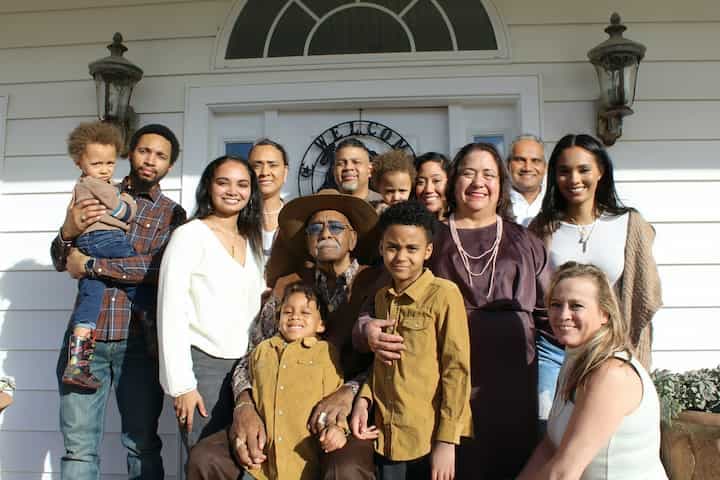
A family member is planning a family reunion
The Question
A family member is planning a family reunion. Give them advice on how to organize the event successfully.
Sample Answer
Oh, that's absolutely wonderful news! A family reunion sounds like such a fantastic idea. I'm sure everyone will be thrilled. It can definitely be a big undertaking, but with a bit of planning, it'll be a huge success. I'd love to share some tips that have helped me when organizing larger events, especially with so many different people involved.
First of all, I'd say the most crucial thing is to start planning really early. Like, six to eight months in advance, if possible. This gives everyone enough lead time to clear their schedules, book travel, and save up if they need to. Sending out a 'save the date' notice with a few potential weekends would be a great first step, maybe even including a poll to see which dates work best for the majority. It really helps maximize attendance, you know?
Secondly, don't try to do everything yourself! Seriously, this is a family event, so get the family involved. Delegate tasks. Maybe one person can be in charge of communication and invitations, another for activities, someone else for food arrangements, and a point person for accommodation suggestions. Creating a small organizing committee with a few enthusiastic family members can make the workload much lighter and more enjoyable. It also gives everyone a sense of ownership and investment in the reunion's success.
Another really important aspect is to choose a venue and activities that cater to all ages and interests. If it's outdoors, think about accessibility for older relatives and safe play areas for kids. If it's indoors, make sure there's enough space for mingling, but also maybe a quieter corner for those who want a break from the hustle and bustle. Having a mix of structured activities – like a fun family game or a talent show – and plenty of free time for people to just catch up naturally is key. Maybe even a photo booth with silly props to capture some great memories!
Also, consider the food situation early on. Will it be a potluck where everyone brings a dish? Or catering? Or a BBQ? If it's a potluck, creating a sign-up sheet can prevent everyone from bringing dessert! And definitely ask about any dietary restrictions or allergies on the RSVP form so you can accommodate everyone comfortably. Nobody wants to feel left out because they can't eat anything.
Finally, and this might sound obvious, but clear and consistent communication is vital. Set up a dedicated group chat or even a simple website where you can post updates, photos, and answer questions. Make sure all important details – date, time, location, what to bring, what to expect – are clearly communicated multiple times.
Honestly, I'm sure it's going to be an absolutely amazing event. Just remember to enjoy the process and the company. Let me know if you need any help with any of these steps; I'm more than happy to lend a hand!
Expert Tips & Coaching
Understanding This Task
CELPIP Speaking Task 1 asks you to give advice or make a suggestion to a friend or family member. The key here is to sound natural, conversational, and supportive, just as you would in real life. You'll have 30 seconds to prepare and 90 seconds to speak. The examiners are looking for your ability to communicate clearly, logically, and fluently, using appropriate vocabulary and a natural tone. Think of it as a friendly chat where you're offering genuine help and ideas.
For this specific question about organizing a family reunion, you need to step into the role of a helpful family member. Your advice should be practical, well-explained, and delivered with warmth and encouragement. It's not enough to just list ideas; you need to elaborate on why your advice is good and how it can be implemented, just like you would if you were truly trying to assist someone.
Use a Warm and Natural Tone
Your tone is extremely important in CELPIP Speaking Task 1. Since you're talking to a family member, you should sound friendly, empathetic, and encouraging. Avoid sounding robotic, formal, or like you're reading from a script. Your voice should convey genuine enthusiasm and willingness to help.
- Sound Friendly and Approachable: Use natural inflections in your voice. A slightly higher pitch at the beginning and end of sentences can make you sound more engaging. Smile as you speak, even if no one can see you; it often reflects in your voice.
- Convey Support: Use phrases like 'That's a fantastic idea!' or 'I'm sure it'll be amazing!' This shows you're not just giving advice but also offering emotional support.
- Avoid Monotone: Vary your pitch and pace. Emphasize key words naturally, just as you would in a real conversation. For example, 'Don't try to do everything yourself!' – emphasizing 'everything' makes the advice more impactful.
How to Start Your Response
A strong, natural opening immediately sets a positive tone and demonstrates your conversational fluency. Don't jump straight into giving advice. Acknowledge the situation and express your positive feelings.
Weak Opening Example:
'You should plan early. You should delegate tasks.'
Why it's weak: It's abrupt, lacks warmth, and doesn't sound like a natural conversation.
Improved Opening Example:
'Oh, that's absolutely wonderful news! A family reunion sounds like such a fantastic idea. I'm sure everyone will be thrilled. It can definitely be a big undertaking, but with a bit of planning, it'll be a huge success. I'd love to share some tips that have helped me when organizing larger events.'
Why it's better: It starts with an emotional reaction ('wonderful news'), expresses enthusiasm ('fantastic idea'), acknowledges the challenge ('big undertaking'), and offers help gracefully ('I'd love to share some tips'). This immediately sounds like a real person talking to a family member.
Organize Your Ideas Clearly
Even in a casual conversation, having a clear structure helps you convey your advice effectively and demonstrates your ability to organize thoughts logically. Aim for 3-5 distinct pieces of advice.
- Warm Conversational Opening: React positively to the news.
- First Piece of Advice: State it clearly and then elaborate.
- Second Piece of Advice: Introduce it with a transition and explain.
- Third Piece of Advice (and maybe fourth/fifth): Continue to build on your ideas with explanations.
- Encouraging Conclusion: Offer further help and express confidence in their success.
Use transitional phrases to link your ideas smoothly. This enhances coherence and makes your speech flow naturally. Examples include: 'First of all...', 'Another really important aspect is...', 'Besides that...', 'Also, consider...', 'Finally...'.
Detailed Idea Development
The most common mistake in Task 1 is giving short, undeveloped advice. To achieve a CELPIP Level 9+ response, you must elaborate on each point. Think 'advice + reason + benefit + example'.
Weak Advice Example:
'Start planning early.'
Improved and Developed Advice Example:
'First of all, I'd say the most crucial thing is to start planning really early. Like, six to eight months in advance, if possible. This gives everyone enough lead time to clear their schedules, book travel, and save up if they need to. Sending out a 'save the date' notice with a few potential weekends would be a great first step, maybe even including a poll to see which dates work best for the majority. It really helps maximize attendance, you know?'
Let's break down this improved example:
- Advice: 'start planning really early'
- Elaboration/Reason: 'gives everyone enough lead time to clear their schedules, book travel, and save up'
- Specific Example/Action: 'sending out a 'save the date' notice with a few potential weekends' and 'including a poll'
- Benefit/Why it matters: 'helps maximize attendance'
- Conversational Tag: 'you know?'
Always explain why your advice is useful, what the outcome will be, and how they can implement it. This depth is what examiners are looking for.
Vocabulary for 'Giving Advice' and 'Events'
Using a range of appropriate vocabulary demonstrates lexical resource. Here are some terms and phrases relevant to giving advice and organizing events:
-
General Advice Phrases:
- 'I'd definitely recommend...' (Strong recommendation)
- 'One thing that really helps is...' (Suggesting a proven method)
- 'It might be a good idea to...' (Gentle suggestion)
- 'It's crucial/vital/important to...' (Emphasizing significance)
- 'Don't underestimate the importance of...' (Highlighting often overlooked aspects)
-
Event Planning Vocabulary:
- 'Organizing committee': A group of people responsible for planning.
- 'Delegate tasks': Assigning responsibilities to others.
- 'Logistics': The detailed organization and implementation of an event (e.g., transport, venue, supplies).
- 'RSVP': 'Répondez s'il vous plaît' (Please respond) – asking for attendance confirmation.
- 'Cater to all ages/interests': To provide something suitable for everyone.
- 'Venue': The location where the event takes place.
- 'Lead time': The amount of time allowed before something happens.
- 'Proactive approach': Taking action to control a situation rather than just reacting to it.
- 'Seamlessly': Smoothly and without interruption.
-
Conversational Connectors/Fillers:
- 'You know?' / 'I mean' / 'Honestly' / 'Seriously'
- These add to the natural flow and sound of spoken English.
Example using varied vocabulary: 'Honestly, don't try to delegate tasks too late; getting an organizing committee together early helps with the logistics and ensures a proactive approach to planning. This way, you can cater to all ages more seamlessly.'
Enhancing Your Fluency and Coherence
Fluency isn't just about speaking fast; it's about speaking smoothly, naturally, and with appropriate pausing and intonation. Coherence means your ideas are logically connected.
- Pacing: Speak at a comfortable, natural pace. Avoid rushing, which can lead to mispronunciations or loss of clarity. Allow for natural pauses, especially after main ideas, to give yourself a moment to think and your listener a chance to process.
- Intonation and Stress: Use your voice to highlight important words and convey your meaning. Rising intonation can indicate a question or enthusiasm, while falling intonation often marks the end of a statement or a strong opinion.
- Linking Ideas: Use the transitional phrases mentioned earlier ('First of all,' 'Another important tip,' 'Besides that,' 'Finally') to ensure your advice points don't sound like a disconnected list. These act as signposts for the listener.
- Avoid Memorized Speech: While preparation is good, try not to sound like you've memorized a script. Allow for slight hesitations or reformulations, as these are natural in spontaneous speech. Focus on conveying your message clearly and genuinely.
Common Mistakes and How to Avoid Them
-
Giving Generic, Undeveloped Advice:
- Mistake: 'Book a place. Send invites.'
- Why it's a mistake: Lacks detail, explanation, and sounds like a checklist rather than helpful advice.
- Improvement: 'Regarding the venue, I'd suggest looking for a place that offers activities suitable for everyone, perhaps a community hall with an outdoor space for kids, or even a local park with good picnic facilities. And when sending invites, make sure to include all the crucial details like date, time, and how to RSVP clearly.'
-
Using Overly Formal Language:
- Mistake: 'It is imperative that you commence planning activities forthwith.'
- Why it's a mistake: Sounds academic and unnatural for a conversation with a family member.
- Improvement: 'Honestly, getting a head start on planning activities is super important. That way, you'll have plenty of time to brainstorm fun ideas that everyone will enjoy!'
-
Lack of Emotional Connection/Support:
- Mistake: (Monotone) 'Here is my advice for your reunion.'
- Why it's a mistake: Doesn't convey warmth or genuine helpfulness.
- Improvement: 'Oh, I'm so excited for you! This reunion is going to be amazing, I just know it. Here are a few thoughts that might make the planning a bit easier for you.'
-
Repetitive Vocabulary:
- Mistake: 'You should plan. You should organize. You should talk.'
- Why it's a mistake: Shows limited lexical range.
- Improvement: 'I'd definitely recommend getting a head start on the arrangements. It's crucial to coordinate with everyone early on, and I think establishing clear communication channels will be immensely beneficial.'
-
Very Short Answers:
- Mistake: Finishing your response in 30-45 seconds.
- Why it's a mistake: You have 90 seconds to speak. A short answer indicates a lack of development and fluency.
- Improvement Strategy: Always aim to expand on each idea with 'why,' 'how,' 'what if,' and 'for example' statements. Add a personal touch or an encouraging remark.
By following these tips and practicing extensively, you'll be well-prepared to deliver a strong, high-scoring response for CELPIP Speaking Task 1.
Ready to Practice This Topic?
Use our AI-powered tool to record your answer and get instant CLB-scored feedback.
Practice with AI